
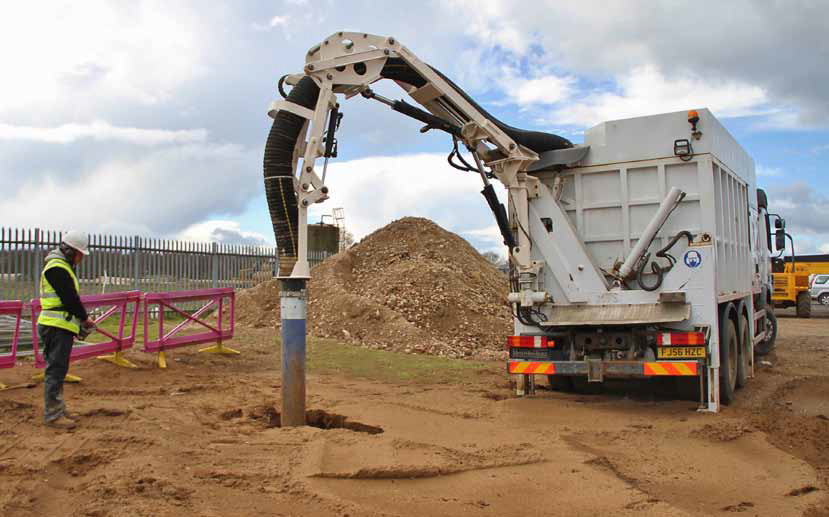
The hose split on the third hole of the morning.
Footpath job in Annerley. Gas and telco in the ground, pedestrians everywhere, traffic setup that took an hour to get right. The suction hose had a soft spot near the boom end that nobody caught during the vacuum truck inspection. When it went, the operator pulled the lance back with the nozzle still running and sprayed slurry across the footpath and a bloke walking his dog.
Nobody got hurt. Dog needed a bath. Job lost two hours while traffic controllers stood around on the clock.
Five minutes on a proper vacuum truck pre-start checklist would’ve found it.
That’s what this is about. The vacuum truck safety checks that need to happen before anyone picks up a lance — whether you’ve hired the truck dry or you’re the one who drives it every day.
Walk the truck first. Every morning.
Not just on a new truck. Not just when something sounds off. Every single morning.
Fluids, tyres, lights. Oil, coolant, hydraulic fluid, fuel. Get under the truck and look for fresh drips. Check tyre pressure and condition. Check lights, beacons and the reversing alarm. A dead reversing alarm on a footpath job is not a next-week problem.
Vacuum truck hose inspection. Run your hands along the suction hose. Feel for soft spots, kinks, cuts, worn patches where it’s been dragged over concrete. Check camlocks for cracks and missing gaskets. Check every clamp.
A missing camlock gasket costs a couple of bucks. Ignore it and you lose suction, the operator cranks water pressure to compensate, and now you’ve got weak vacuum and a slurry mess — all from a rubber ring. Check the water hose and lance hose too. Any bulge or weep on a high-pressure line means it’s finished. Don’t tape it.
Boom. Swing it through its full range before you park near anything. Listen for grinding, watch for jerky movement, check hydraulic lines for leaks. On vacuum truck dry hire especially, don’t assume the controls are laid out the same as your usual machine. Check that the labels match what actually happens.
Water system. Tank level, refill plan, pump, pressure gauge, relief valve. Make sure the lance trigger releases cleanly. A trigger that sticks open near a gas service is a serious problem.
Vacuum system and tank. Blocked filters kill suction and strain the blower — check them for build-up from the last job. Test the float or high-level shut-off that stops slurry getting into the blower. If it’s stuck, you won’t find out until the blower’s eating mud.
Check the rear door seals and locking gear. Know where the safety props are and use them whenever the door’s open or the tank’s tipped. People get lazy about this one. “It always holds” is fine until it doesn’t.
E-stops. Find every emergency stop on the truck and the remote. Test them. Make sure every person on the crew knows where they are — not just the operator.
Vacuum truck equipment inspection — nozzles and pressure
This is where vac work goes from non-destructive to destructive, fast.
Different nozzles cut differently. Rotating, fan, straight jet. Some asset owners specify what you can use near their infrastructure, so read the conditions before you choose. Check your nozzle isn’t chipped or worn — a damaged one can throw a jet sideways instead of spreading it, and that’s the last thing you want near a gas line.
Your Before You Dig Australia enquiry comes back with asset owner conditions. Some set a maximum water pressure and a minimum standoff distance. Those aren’t suggestions. Set pressure before the first hole, not after something’s been nicked.
Heavy clay needs more pressure than sandy loam. Old poly or brittle cable sheathing needs less. A good operator backs off as they get closer to a service. But the starting setting has to be right before any of that matters.
PPE
Hi-vis, steel caps, gloves, safety glasses, hard hat. Standard.
On top of that: hearing protection, because blowers run loud all day. A face shield over safety glasses when running the lance, because slurry and grit come back at you. Water-resistant gear, because you’ll get soaked, and a cold, wet operator makes worse calls by the afternoon. Gloves that fit properly — loose cuffs near the end of a running suction hose get grabbed.
One more: never put your hand over the end of a running suction hose to test the pull. A big truck will take a hand or forearm in hard. I’ve seen it done. Don’t.
Read the service information. Actually read it.
Part of any vacuum truck operating procedure is knowing what’s in the ground before the lance goes in.
Get on site with: current BYDA plans (not last month’s), the asset owner conditions including clearance distances and dig method requirements, any locator marks and reports, and the SWMS for this specific job.
Then ask the property owner or site manager what’s in the ground that isn’t on any plan. Private power to the shed, irrigation lines, old pool plumbing, a gas service put in during a reno twenty years back. None of that shows up on BYDA.
A plumbing crew in Camp Hill had the plans, had the paint marks on the ground, and still found a 32 mm poly gas service nobody knew about. House had been converted to gas years after the records were drawn. Thirty seconds asking the owner would have found it first.
Site checks — where you park matters more than people think
This is part of vacuum truck safety requirements that gets skipped when crews are in a hurry.
A loaded vac truck is heavy, and it gets heavier as the tank fills through the day. The ground that held it fine at 7 am can behave differently by 2 pm.
Watch for soft verges after rain, old concrete and pavers, pit lids, valve covers and grates in the path of the wheels. I know of a truck that parked over a stormwater pit lid on a nature strip. Fine when empty. Loaded, the lid cracked and a front wheel dropped in. Recovery truck, a council repair bill, and a very quiet supervisor.
Look up before you swing the boom. Powerlines, trees, awnings, car park height bars. Know the electrical exclusion zone for the voltage above you and set up so the boom physically can’t reach it through its full swing.
Walk the hose route from the truck to the dig. Every bend and every metre uphill costs suction. A hose running across a footpath is a trip hazard for every person who passes — use ramps or covers wherever it crosses a path. On tight sites, look at what the hose will rub against all day.
Traffic setup and exclusion zones
The truck, the hose and the dig all need to fit inside the traffic guidance scheme that was actually designed for this job.
If the truck takes more lane than the plan allows, fix it before you start. Signs, barriers and controllers go in first. Beacons and arrow boards need to be working — check them.
Set an exclusion zone around the truck, the full boom swing, the rear door and the dig. Mark it with barriers or bunting, not a verbal heads-up. Think about where spray goes when the lance is running, where the boom can reach and where pedestrians will try to cut through.
People walk through any gap you leave. Don’t leave gaps.
Disposal — plan it before the tank fills
Hydro slurry can’t go in the stormwater and it can’t go in a skip. It goes to a licensed facility. Know where the nearest one is, check their hours, and work out how long the round trip takes at the time of day you’ll be running.
When nobody plans this, the tank fills at 2:30 and the facility closes at 3. Then there’s a loaded truck and nowhere to go, and someone gets tempted to dump it somewhere they shouldn’t.
Same with water. If you need a standpipe on a hydrant, get approval from the water authority before the tank runs dry. Don’t just crack a street hydrant.
Talk before you start
Skipped most often. Causes the most grief.
Quick toolbox talk — five minutes: what’s being dug, what services are nearby, who’s on the lance, who’s on the hose, who’s watching the boom, and what happens if something gets hit.
Vac trucks are loud. Agree on hand signals for stop, go, more suction and kill the pump, or use radios. Everyone on the crew needs to know the stop signal and needs to feel like they can use it.
If an excavator, drill rig or pipe crew is working nearby, show them where your exclusion zone is and where the hose runs. On a road reserve job I know of, an excavator tracked across the vac hose because the operator didn’t know it was there. Crushed it. Lost an hour, replaced the hose, and the offsider standing next to it nearly got collected.
What the vacuum truck pre-start checklist actually looks like
Not a sheet ticked off at smoko. Something closer to this:
- Vacuum truck equipment inspection — fluids, tyres, lights, hoses, boom, water system, vacuum, tank, filters, e-stops
- Nozzle selected and pressure set for the ground conditions and asset owner requirements
- PPE confirmed for everyone on the crew
- BYDA plans read, asset conditions read, marks checked, site contact asked about private services
- Parking ground assessed, overhead hazards checked, hose path walked
- Traffic setup in place and confirmed, exclusion zone marked
- Disposal facility confirmed and water source sorted
- Crew briefed, nearby crews briefed
On a simple job that’s fifteen or twenty minutes. On a busy footpath or a civil alignment it’ll take longer. Either way, it’s less time than waiting on a gas crew, replacing a boom hose or explaining to a client why their driveway’s cracked.
Vacuum truck hire safety requirements — what changes on dry hire
When you’re on vacuum truck dry hire, the vacuum truck maintenance checks and pre-start responsibilities sit with your crew, not the hire company. Read the hire agreement and know what’s expected. Check what the company requires for qualifications, and what their damage and breakdown process looks like.
If your crew doesn’t run vac gear regularly, or the job involves digging near live services, think hard before going dry hire. Wet hire gets you an experienced operator. Near gas, HV or pressurised mains, that’s usually the right call.
How most jobs actually go wrong
It’s rarely one big thing. It’s a soft hose nobody squeezed, a float nobody tested, a truck parked on a pit lid, or a crew that skipped the talk before they started.
Do the vacuum truck safety checks every morning, not just when someone’s watching. On jobs near services, near traffic or around other crews, slow down at the start. It’s always cheaper to deal with something at quarter to seven than to handle the fallout at ten.


Leave a Reply