
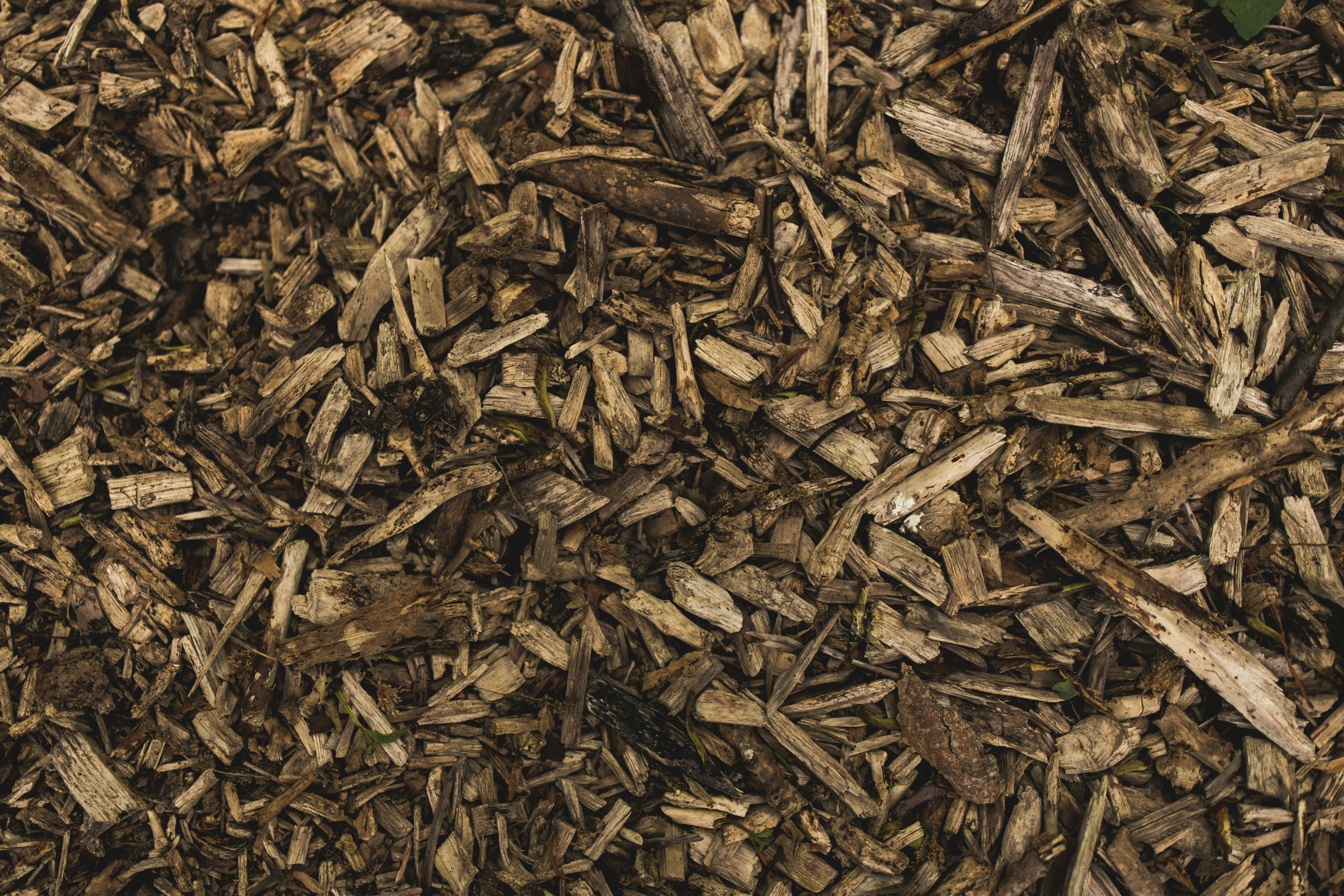
Most people ring for a mulch blowing quote with one number ready: the size of the garden.
“It’s about 100 square metres. What’s that going to cost?”
Fair question. I just can’t answer it properly from that alone. I’ve quoted two jobs on the same street in Ashgrove, both around 100 square metres, and one came in at roughly double the other. Same mulch. Same truck. The difference was everything else: where the truck could park, how far the hose had to run, how steep the block was, and whether the old mulch was coming out first.
So this is my honest take on mulch blowing cost in Brisbane. It’s for homeowners, body corporates, property managers, builders, schools, childcare centres and anyone running a commercial site. I’ll cover what pushes the price up, what keeps it down, and where people usually get caught out when the quote lands.
Start with cubic metres, not square metres
Mulch is sold and blown by volume. So the first thing any decent quote does is turn your area into cubic metres.
That depends on how deep you want it. Here’s the rough maths I use:
- At 75 mm deep, one cubic metre covers about 13 square metres
- At 100 mm deep, one cubic metre covers about 10 square metres
So that 100 square metre garden needs somewhere around 8 to 10 cubic metres, depending on depth. Go thinner and it’s cheaper today, but Brisbane sun breaks it down fast and the weeds come straight back through. Most garden beds here want 75 to 100 mm to actually do their job.
Playgrounds are a different story. Softfall under play equipment has to sit a lot deeper than garden mulch, which is why childcare and school jobs chew through volume so quickly. More on that further down.
Bottom line: get the depth right first. It changes your volume, and volume drives most of the mulch blowing price.
The mulch itself
Not all mulch costs the same.
Basic forest or hardwood blends are usually the cheapest. Pine bark sits a bit higher. Fine decorative mulches, coloured mulch and certified playground softfall are dearer again. Some products blow better than others, too. Chunky, stringy or wet mulch can clog the line and slow the job down, and slower means more hours.
People sometimes ask for sugar cane because it’s cheap at the hardware store. It’s fine for veggie patches, but it’s not what blower trucks are built for. If you want blown mulch, you’re picking from what the supplier can load into the truck.
My advice: pick a mulch that suits the garden, not just the cheapest line on the quote. A cheap mulch that’s washed off the slope after the first February storm isn’t cheap.
Where the truck parks and how far the hose runs
This is the big one, and it’s where most of the price gap between “similar” jobs comes from.
A blower truck pushes mulch through a hose, often 100 metres or more of it. That’s the whole point. We can get mulch into backyards, down side paths and up stairs without a single wheelbarrow. But every extra metre of hose takes more time to run out, pack up and drag around plants.
A flat front yard in Carindale with the truck sitting in the driveway and 15 metres of hose? Quick job. A backyard in The Gap with the truck parked on a narrow street, hose running 70 metres down the side of the house, through a gate and up two levels of retaining walls? That’s a slower job, and the quote reflects it.
Narrow streets in Paddington, Red Hill or Highgate Hill add their own grief. Parked cars, low trees and nowhere to pull over can mean the truck ends up further away than anyone hoped. On busy roads, a commercial job might even need traffic control.
Quick tip: before you ring, stand where a truck could park and pace out the distance to the furthest garden bed. That one number will make your quote far more accurate.
Slope and garden layout
Steep blocks cost more. Simple as that.
Pulling a loaded hose uphill is harder work, and mulch on a slope has to be laid carefully so it doesn’t slide straight down onto the path. Bardon, Kenmore, Mount Gravatt and plenty of the western suburbs have some properly steep backyards. Those jobs take longer, full stop.
Layout matters as much as slope. One big open bed is fast. Twenty little beds scattered around a townhouse complex, each with a different shape, edging and plants to work around, is slow. The total area might be identical, but the hours aren’t.
Obstacles, prep work and the stuff nobody mentions
This is where surprises usually come from. Some common ones:
- Weeds. If the beds are full of weeds, someone has to pull or spray them first. Blowing fresh mulch over a weed problem just buries it for a few weeks.
- Old mulch. Topping up thin mulch is fine. If there’s 150 mm of old, compacted, mouldy stuff already, it might need to come out first.
- Weed matting. Some people want it laid underneath. That’s extra materials and labour.
- Plants, irrigation and garden lights. Lots of small plants, drippers and solar lights take more care to work around.
- Edging. Broken or missing edging means mulch ends up on the lawn and paths.
There’s one more Brisbane thing worth saying. Keep mulch well clear of your house slab, weep holes and timber. Piling it up against the house is a great way to invite termites in. A good installer will leave a gap. If yours doesn’t, ask why.
Old mulch and green waste removal
Removing old mulch or green waste can add more than people expect.
It’s not just the labour to dig it out. Someone has to load it, cart it and pay to tip it. If there’s a lot of it, that can be a decent chunk of the job on its own. Some places will happily blow fresh mulch on top. That’s cheaper, but only works if what’s there is thin and in decent nick.
Ask your quote to list removal separately. That way you can decide whether it’s worth it.
Delivery, call-out fees and minimum charges
Most mulch blowing businesses have a minimum charge. Getting the truck loaded, driven out, set up and packed down costs the same whether you want 2 cubic metres or 12.
So small jobs often look expensive per cubic metre. That’s not someone gouging you. It’s just how the setup cost spreads out.
Distance matters too. If you’re out at Redland Bay, Samford or the edges of Logan, and the supplier’s yard is across town, expect some travel to be built in.
Money-saving tip: if you’re in a unit complex or a street where neighbours want mulch too, book the jobs together. One truck, one setup, several gardens. Everyone pays less.
Residential, strata, schools and commercial jobs
The type of property changes the price, even with the same mulch and volume.
Residential jobs are usually the simplest. One client, one garden, flexible timing.
Strata and body corporate jobs often involve lots of small beds, residents’ cars in the way, and committee approvals. There’s usually more blowing-off of paths and driveways afterwards, too. The area might look similar to a big house, but the job runs slower.
Schools and childcare centres have extra requirements. Expect inductions, blue cards for anyone working around kids, and work timed before opening, after close or during holidays. Softfall under play equipment also has to meet the playground standards for depth and material, and that’s not something to skimp on. All of that adds to the cost, but there’s no sensible way around it.
Commercial sites like shopping centres, offices and industrial estates often want after-hours work, safety paperwork, proof of insurance and sometimes traffic management. That’s extra admin and often extra hours on site.
Two jobs that look the same on paper
These are made-up examples to show the point, but I’ve quoted plenty like them.
Job one, Carina. About 100 square metres of front and side beds, flat block. The truck parks in the driveway and the longest hose run is around 20 metres. Beds are already weeded with a thin layer of old mulch, and the owner wants forest blend at 75 mm. That’s roughly 8 cubic metres, in and out in a couple of hours. This one’s at the cheaper end.
Job two, Bardon. Also about 100 square metres. The truck has to sit on a narrow street, and the hose runs 70 metres down a side path and up to terraced beds on a steep slope. Half the beds are full of weeds and buried in thick old mulch that needs digging out and tipping. The owner wants pine bark at 100 mm, so that’s about 10 cubic metres. Add the prep, removal, slope and hose run, and this job can easily cost twice as much as the first one.
Same area. Completely different job.
Then there’s the childcare centre in Wynnum that needed its softfall topped up. The play area was smaller than either garden. But once you counted the depth, the certified material, the 6 am start before the kids arrived and the paperwork, the quote ended up higher than both.
So what will yours actually cost?
I can’t give you one honest number without seeing the site or getting decent photos. Anyone quoting a firm price off “about 100 square metres” is guessing, or padding it to be safe.
What I can tell you is what makes a quote accurate. When you ring, have this ready:
- Rough area and how deep you want the mulch
- The mulch type, or ask for options
- Where a truck can park, and the distance to the furthest bed
- Photos showing slope, stairs, gates and the state of the beds
- Whether old mulch, weeds or green waste needs removing
- Any access rules, inductions or timing limits
Then ask what’s included. Find out about prep, cleanup, removal and travel. Two mulch blowing prices in Brisbane can look miles apart until you realise one includes weeding and tipping and the other doesn’t.
Do that, and the quote you get will be close to the invoice you pay. That’s really all anyone wants from mulch installation in Brisbane: no surprises, a garden that looks sharp and mulch that stays put through the next storm season.

Leave a Reply