
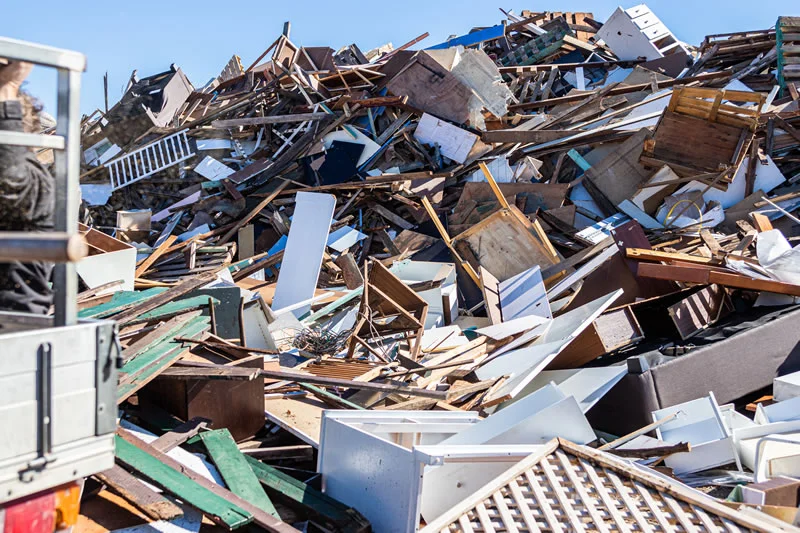
Timber waste recycling is gaining momentum as a vital component of sustainable practices. It plays a crucial role in reducing landfill waste and conserving natural resources.
Innovative solutions are emerging to tackle the challenges of wood waste management. These advancements are transforming how we handle timber waste, making recycling more efficient and effective.
Recycled wood products are finding new applications in various industries. From construction to furniture, these products offer eco-friendly alternatives that help preserve our forests.
The circular economy model is increasingly being applied to the wood industry. This approach minimizes waste and maximizes resource efficiency, aligning with global sustainability goals.
As awareness grows, more individuals and businesses are embracing timber waste recycling. This shift not only benefits the environment but also creates economic opportunities in the recycling sector.
The Importance of Timber Waste Recycling
Timber waste recycling is vital for environmental sustainability. It helps conserve our natural resources and reduces the burden on landfills. Without recycling efforts, wood waste would contribute significantly to landfill volumes.
The environmental impact of timber waste is significant. Wood decomposition releases greenhouse gases, contributing to climate change. Recycling timber waste curbs these emissions, promoting a healthier planet.
Moreover, recycled wood reduces the demand for virgin timber, helping protect forests from over-exploitation. Preserving forests is crucial for biodiversity and combating global warming.
Here are key benefits of timber waste recycling:
- Decreases landfill usage
- Reduces carbon emissions
- Conserves natural forests
Economic opportunities also arise from timber waste recycling. New jobs in sorting, processing, and manufacturing recycled wood products emerge. This growth in the recycling sector supports local economies.
Timber waste recycling aligns with sustainable development goals. It encourages businesses and communities to adopt eco-friendly practices. In doing so, it lays the groundwork for a more sustainable future.
Current Challenges in Wood Waste Management
Effective wood waste management faces several hurdles. These challenges hinder the recycling process, affecting sustainability efforts. Understanding these obstacles can guide improvements in timber waste recycling.
One major issue is contamination. Wood waste often mingles with other materials, complicating recycling efforts. Contaminated wood requires extra processing to ensure it can be effectively recycled.
Another challenge is the lack of awareness among the public and businesses. Many are unaware of the benefits or practices of wood waste management. This lack of knowledge results in lower participation in recycling programs.
Key challenges in wood waste management include:
- Contamination issues
- Limited public awareness
- Inadequate infrastructure
The industry also grapples with inadequate infrastructure. Proper facilities for sorting and processing wood waste are essential for efficient recycling. Expanding and upgrading this infrastructure is vital for overcoming current challenges.
Innovative Technologies Transforming Timber Waste Recycling
Innovative technologies are reshaping timber waste recycling. These advancements enhance efficiency and sustainability. They address some of the current challenges faced by the industry.
Advanced sorting technologies have emerged. These systems separate wood from contaminants with precision. They use sensors and automation to improve recycling outcomes significantly.
Chemical recycling processes are another innovation. They allow valuable materials to be recovered from wood waste. These processes break down timber for reuse in various applications.
Emerging technologies also include:
- Smart tracking systems
- Bioenergy conversion methods
- Digital platforms for connecting producers and recyclers
Bioenergy conversion methods are gaining traction, too. They transform wood waste into renewable energy, reducing reliance on fossil fuels. This step forward aligns with global sustainability goals.
Digital platforms are closing gaps between waste producers and recyclers. They facilitate communication and transactions, promoting more efficient recycling practices. These platforms enable faster and more effective wood waste management.
Recycled Wood Products: Applications and Benefits
Recycled wood offers many uses, cutting the need for new timber. These products serve various industries, helping reduce environmental impact. The demand for such sustainable materials is on the rise.
In construction, recycled wood is highly valued. It serves as a sustainable alternative for beams, flooring, and paneling. Using recycled materials enhances building sustainability and energy efficiency.
Furniture makers appreciate the charm of recycled wood. Each piece has a story and character. This practice lessens the pressure on forests by reducing timber harvesting needs.
Recycled wood is also popular in landscaping and creative projects. From garden features to artistic installations, the applications are diverse. These uses promote both creativity and sustainability.
Key benefits of recycled wood products include:
- Reduced demand for virgin timber
- Preservation of natural habitats
- Economic opportunities in recycling markets
Understanding these benefits encourages more widespread use of recycled wood. As awareness grows, the shift towards sustainable practices becomes inevitable, boosting eco-friendly initiatives.
Circular Economy and Sustainable Timber Recycling
The circular economy seeks to maintain materials in use for as long as possible. It’s crucial in sustainable timber recycling. By recirculating wood, we minimize waste and environmental harm.
This approach focuses on extending the life of resources. It emphasizes reusing, repairing, and recycling wood materials. Such efforts reduce the need for raw timber.
Key principles of a circular economy in timber include:
- Designing for recyclability
- Promoting reusability
- Enhancing material efficiency
Collaboration among industries aids in realizing these goals. Partners in construction, manufacturing, and waste management play pivotal roles. Together, they drive innovations in sustainable practices.
By embracing circular economy principles, the timber industry can reduce its carbon footprint. This shift supports global sustainability efforts. It ensures resources are used wisely, benefiting both businesses and the environment.
Strategies for Effective Wood Waste Management
Effective wood waste management requires strategic planning and execution. First, educating stakeholders about sorting and processing is essential. By understanding the types of wood waste, contamination is minimized.
Proper wood waste collection systems play a vital role. Establishing efficient infrastructure for sorting and storage is crucial. This ensures that recyclable materials are extracted effectively.
Key strategies for wood waste management include:
- Implementing rigorous sorting systems
- Establishing partnerships with recycling facilities
- Investing in technology to boost efficiency
Adopting innovative processing technologies is another crucial step. Technologies like advanced shredding and bioenergy conversion can maximize material recovery. These methods reduce landfill impact and increase resource use.
Lastly, encouraging sustainable practices within businesses can drive systemic change. Incentives for using recycled wood products further promote sustainable management. Together, these strategies lead to successful wood waste management and environmental sustainability.
The Future of Timber Waste Recycling: Trends and Opportunities
Timber waste recycling is evolving rapidly with exciting trends on the horizon. Advances in technology continue to shape the industry, offering new possibilities. Emerging digital platforms are connecting waste producers directly with recyclers.
Sustainability priorities are driving industry shifts towards a circular economy. Innovative recycling methods are being developed to enhance efficiency and sustainability. Opportunities for growth abound in this dynamic field, including:
- Expansion of bioenergy projects
- Increased demand for recycled materials
- Development of biodegradable wood products
These trends and opportunities present promising prospects for industries involved in wood waste management. As technology and sustainability efforts progress, timber waste recycling is set for transformative change. This will drive the sector towards a more sustainable future.


Leave a Reply