

In today’s fast-paced world, dealing with chronic pain or injuries can severely affect one’s quality of life. Functional Restoration Programs (FRPs) are increasingly gaining attention as a comprehensive approach to pain management and rehabilitation. These programs aim to restore a person’s functional ability, helping them return to their daily activities with minimized discomfort. In this article, we will explore the benefits of functional restoration programs, the therapy techniques they employ, and how they fit into a broader wellness program.
What is a Functional Restoration Program?
A Functional Restoration Program is a structured, multidisciplinary approach designed to help individuals manage chronic pain and improve their overall functionality. Unlike traditional treatment methods that focus solely on pain relief, FRPs emphasize restoring physical, emotional, and social well-being. These programs are often tailored to meet the unique needs of each participant, providing a personalized path to recovery.
The Core Components of FRPs
Functional restoration programs are built on several key components that work together to achieve holistic healing. Let’s dive into the primary elements that make these programs effective.
Multidisciplinary Approach
FRPs integrate various healthcare professionals, including physicians, physical therapists, psychologists, and occupational therapists. This team collaborates to develop a comprehensive treatment plan that addresses all aspects of a patient’s condition. By combining expertise from different fields, FRPs ensure that patients receive well-rounded care.
Physical Therapy Techniques
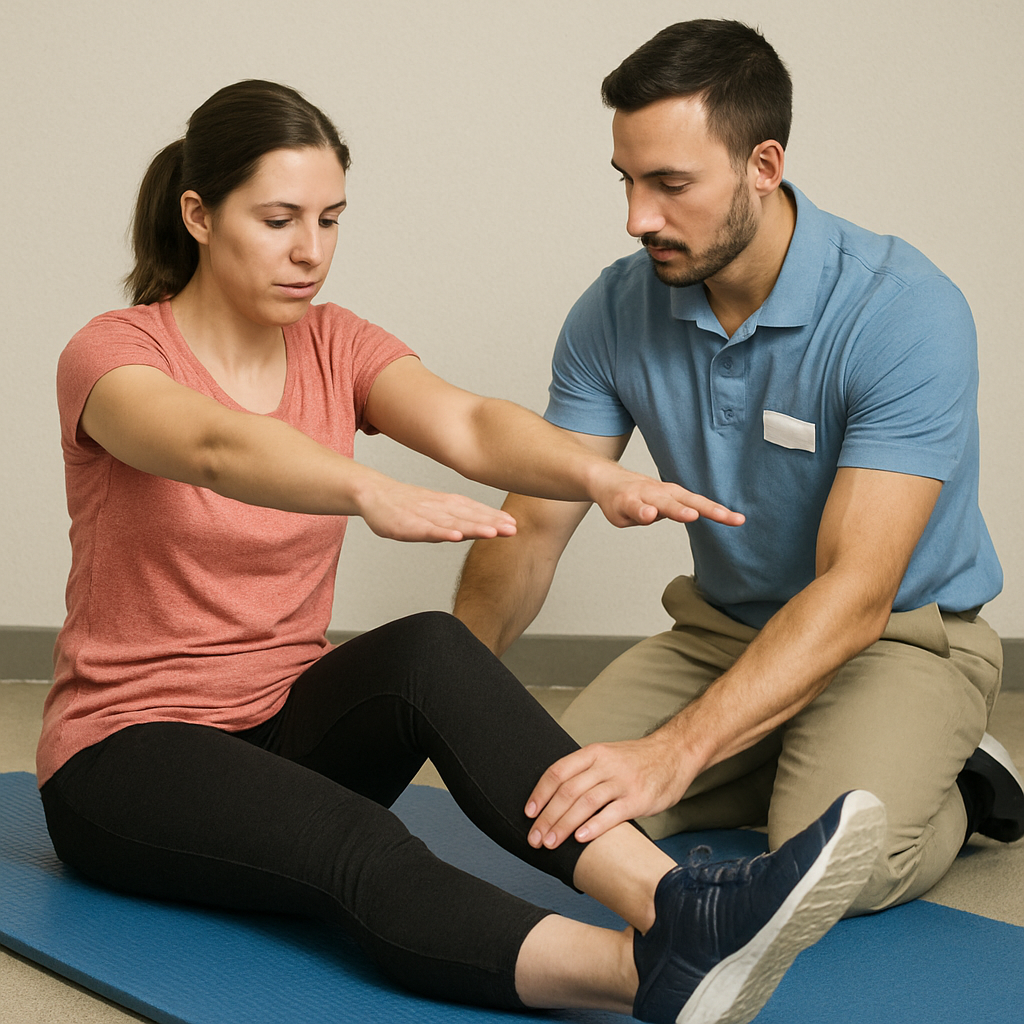
Physical therapy is a cornerstone of functional restoration programs. It focuses on improving strength, flexibility, and endurance through targeted exercises. These techniques help patients regain mobility and reduce pain, enabling them to perform daily activities more easily. Common physical therapy techniques used in FRPs include:
- Stretching and Strengthening Exercises: These exercises aim to enhance muscle strength and flexibility, reducing the risk of future injuries.
- Aerobic Conditioning: Low-impact activities like walking, swimming, or cycling are included to improve cardiovascular health and overall stamina.
- Manual Therapy: Hands-on techniques such as massage and joint mobilization help alleviate pain and improve joint function.
Psychological Support
Chronic pain can take a toll on mental health, leading to anxiety, depression, or stress. Functional restoration programs incorporate psychological support to address these issues. Cognitive-behavioral therapy (CBT) is often used to help patients develop coping strategies, reduce negative thought patterns, and improve their emotional well-being.
Education and Self-Management
Empowering patients with knowledge about their condition is a crucial aspect of FRPs. Education sessions teach participants about pain management techniques, proper body mechanics, and lifestyle modifications. By understanding their condition, patients can take an active role in their recovery journey.
Social Reintegration
Social isolation is a common consequence of chronic pain. Functional restoration programs encourage social engagement by promoting activities that involve family, friends, and support groups. This helps patients rebuild their social networks and improves their overall quality of life.
Benefits of Functional Restoration Programs
The comprehensive nature of FRPs offers numerous benefits for individuals dealing with chronic pain or injuries. Here are some of the key advantages:
Improved Physical Function
By focusing on physical rehabilitation, FRPs help patients regain strength and mobility. This improvement in physical function allows individuals to return to work, participate in recreational activities, and perform daily tasks with greater ease.
Enhanced Pain Management
Functional restoration programs provide patients with effective pain management strategies that reduce reliance on medications. By addressing the root causes of pain and promoting self-management techniques, patients experience long-term relief and improved quality of life.
Better Mental Health
The psychological support offered in FRPs helps patients cope with the emotional challenges of chronic pain. Cognitive-behavioral therapy and other interventions reduce anxiety and depression, leading to a more positive outlook on life.
Increased Confidence and Independence
As patients progress through a functional restoration program, they gain confidence in their ability to manage their condition. This newfound independence empowers them to take charge of their health and make informed decisions about their treatment.
Holistic Wellness
Functional restoration programs emphasize a holistic approach to wellness, addressing physical, emotional, and social aspects of health. This comprehensive focus promotes overall well-being and encourages a balanced lifestyle.
Integrating FRPs into a Wellness Program
Functional restoration programs can be a valuable addition to a broader wellness program. By incorporating FRPs, individuals can achieve a more well-rounded approach to health and well-being. Here’s how FRPs fit into a wellness program:
Personalized Care
FRPs offer personalized treatment plans tailored to each individual’s needs. This level of customization ensures that participants receive the most effective care for their specific condition.
Long-Term Support
A wellness program that includes functional restoration provides ongoing support and guidance. Regular check-ins with healthcare professionals help monitor progress and make necessary adjustments to the treatment plan.
Preventative Measures
Functional restoration programs focus on preventing future injuries and relapses. By teaching patients proper body mechanics and self-management techniques, FRPs reduce the risk of recurring pain.
Community Engagement
Wellness programs often include community activities that promote social interaction and support. Functional restoration programs encourage participants to engage with others, fostering a sense of belonging and connection.
Conclusion
Functional Restoration Programs offer a comprehensive and effective approach to managing chronic pain and improving overall functionality. By addressing physical, emotional, and social aspects of health, these programs provide a path to holistic wellness. Whether you’re dealing with chronic pain or seeking to enhance your overall well-being, integrating a functional restoration program into your wellness routine can lead to significant improvements in quality of life. Remember, your journey to recovery is unique, and a personalized approach will ensure the best outcomes for your health and happiness.


Leave a Reply