
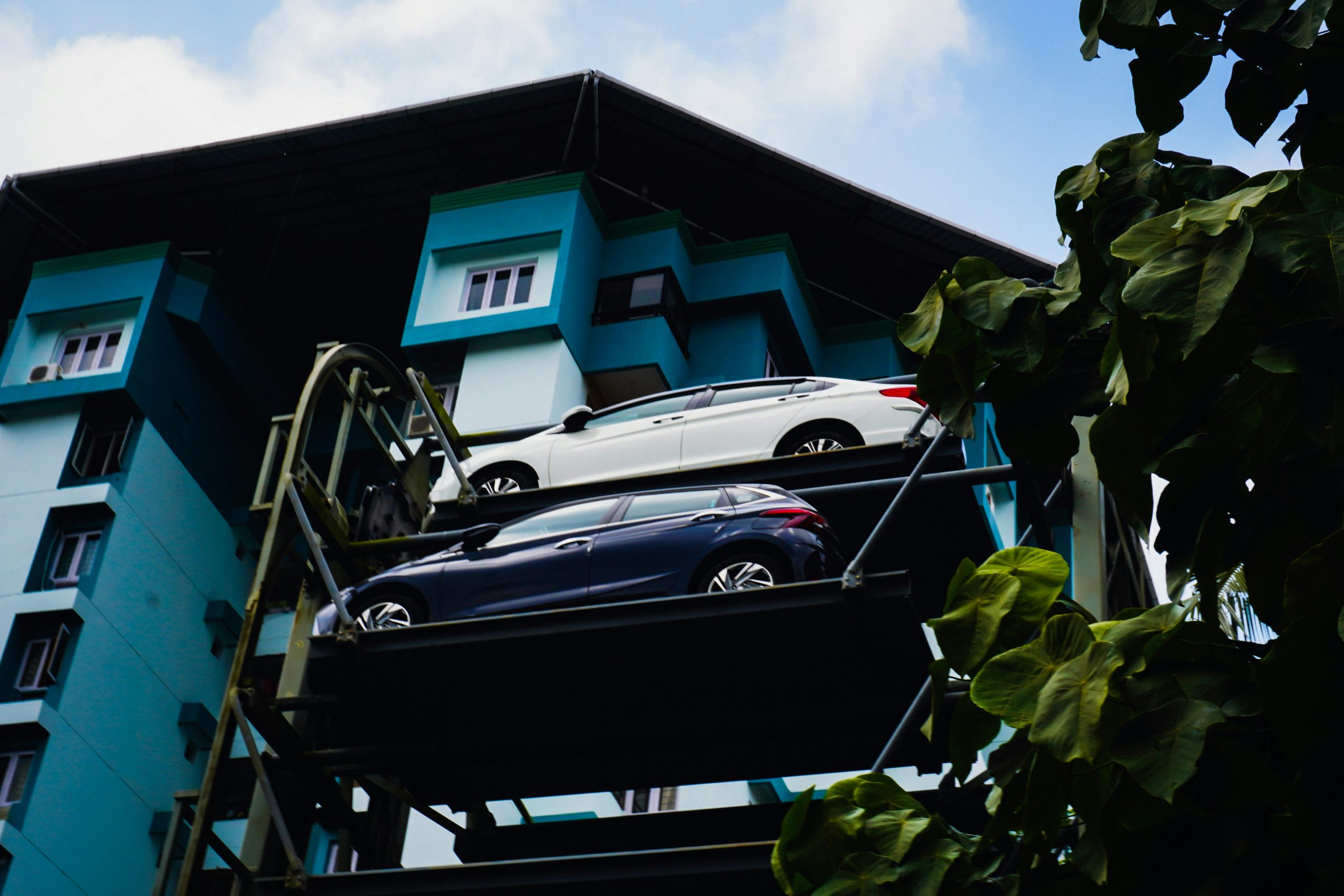
Parking space in Australia is tight, and it keeps shrinking every year! If you’ve squeezed your Hilux into a skinny driveway or fought for a bay in an inner-city apartment, you know the pain. More cars. Less room. And prices for extra land that are, frankly, through the roof.
Here’s the good news. A car parking lift can double your parking without buying more dirt! But before you jump in, you probably want one big question answered: what does it actually cost?
In this guide, you’ll learn exactly what shapes the price of a car parking lift in Australia. We’ll break down the main cost factors in plain English, from the lift type to installation and approvals. We won’t throw exact dollar figures at you, because every site is different. Instead, you’ll walk away knowing what drives the price up or down, so you can plan with confidence. At HLS Equipment, we’ve helped loads of homeowners and business owners work through this, so let’s dig in!
Quick takeaways:
- Price depends mostly on the lift type and how much it needs to hold.
- Installation and site prep can add a lot to the total.
- Home lifts usually cost less than heavy commercial setups.
- Knowing the cost factors early saves you nasty surprises later.
Why Understanding the Cost Matters
A parking lift is a smart investment, but it’s still an investment. Getting a clear picture of the costs upfront helps you budget properly and dodge surprises.
Think of it like renovating a kitchen. The benchtop is only part of the story. There’s plumbing, wiring, and fitting to sort too. A parking lift works the same way. The lift itself is one cost. Getting it installed and running safely is another.
Once you know what affects the price, you can compare quotes fairly and pick the setup that suits your space and budget.
The Big Cost Factors
Let’s look at what really moves the price needle. Some of these you’ll expect. Others might surprise you!
1. The type of lift
This is the biggest factor of all. Different lifts do different jobs, and the price reflects that.
- Stacker lifts are built for parking one car above another. These are popular for homes and often sit at the lower end of the price range.
- Four-post lifts are sturdy and easy to drive onto. A common choice for garages and driveways.
- Two-post lifts hold the car by its frame. Great for workshops, and usually a mid-range option.
- Pit-style and in-ground lifts lower a car below ground level. These cost more because of the digging and extra engineering involved.
Simple stacker for the driveway? Lower cost. In-ground pit for an apartment basement? Expect to pay more.
2. Weight capacity
The heavier the car, the stronger the lift has to be. A lift rated for a small hatchback costs less than one built to hold a big LandCruiser or a loaded ute.
Bigger capacity means more steel, stronger motors, and beefier safety gear. All of that adds to the price. Match the capacity to your heaviest vehicle, and think ahead in case you upgrade cars down the track.
3. Installation complexity
A lift that drops neatly into a flat, open garage is quick and cheap to install. A lift that needs to squeeze into a tight inner-city spot with awkward access? That takes more time and skill.
Tricky sites mean more labour, and labour is a real chunk of the total. The easier the access, the friendlier the bill.
4. Site preparation
Your existing space often needs a bit of prep before a lift goes in. This can include:
- Levelling or repairing the floor.
- Clearing obstacles or old fittings.
- Sorting drainage for a pit-style lift.
- Digging for an in-ground unit.
Pit and in-ground lifts carry the biggest prep costs because of the excavation. A straightforward garage install usually needs far less.
5. Slab strength
Your concrete slab has to hold the full load of the lift plus the car (or two). If your slab isn’t strong enough, it may need reinforcing or repouring.
This is a hidden cost that catches plenty of people out. A quick check by a pro tells you if your slab is up to the job. Older homes and driveways sometimes need this work, so factor it in.
6. Ceiling and clearance height
For garages and basements, headroom matters. You need enough space for the top car plus a safe gap above it.
If your ceiling is too low, you might need a low-clearance model, which can change the price. In apartments where you can’t build up, a pit-style lift becomes the go, and that shifts the cost too.
7. Power requirements
Most lifts need a proper power supply. Smaller home units often run on standard single-phase power. Bigger, heavier lifts sometimes need three-phase power.
If your site doesn’t have the right supply, you’ll need an electrician to sort it. That’s an extra line on the quote worth checking early.
8. Approvals and paperwork
Depending on where you live, you may need council or strata approval before installing a lift. This is common for:
- Apartments and units with a body corporate.
- Certain suburbs with specific building rules.
- Commercial sites with extra safety requirements.
Approvals can take time and sometimes cost a fee. Sorting this early keeps your project on track.
9. Home versus commercial use
A home lift for one or two cars is usually simpler and cheaper. A commercial setup, like a dealership or a busy workshop, often needs heavier-duty gear, higher capacity, and more units.
Commercial lifts also get used far more often, so they’re built tougher. More strength and more use naturally mean a higher price.
10. Maintenance over time
The purchase price is just the start. Like any machine, a parking lift needs regular checks to stay safe and working well.
Budget for:
- Routine servicing and inspections.
- Occasional part replacements.
- Any repairs down the track.
Well-maintained lifts last for years, so this ongoing cost is money well spent. At HLS Equipment, we always remind people to factor servicing into their long-term budget.
Hypothetical Examples: How Costs Add Up
Let’s bring this to life with a few made-up stories. These aren’t real customers, just handy examples to show how the factors stack up.
Example 1: The simple Melbourne garage
Hypothetical: Sam has a flat, modern garage in a Melbourne suburb with good ceiling height and a solid slab. He wants a stacker lift for a second small car.
His costs stay low. The slab is strong, access is easy, and the power’s already there. It’s about as simple and affordable as a lift install gets!
Example 2: The Sydney apartment pit
Hypothetical: Mei lives in an inner-Sydney unit with limited ceiling height in the basement. A stacker won’t fit, so she needs a pit-style lift.
Her costs climb higher. There’s excavation, drainage, and strata approval to sort. The lift itself costs more, and so does the prep. Still, it’s the only way to fit that second car underground.
Example 3: The Brisbane workshop
Hypothetical: Dave runs a busy workshop in Brisbane and wants three heavy-duty two-post lifts. His cars are big utes and 4WDs.
His costs are the highest of the three. High capacity, three-phase power, multiple units, and commercial-grade safety gear all add up. But the extra parking and work space pay off for his business.
How to Get an Accurate Quote
The best way to know your real cost is to get a proper quote for your exact site. To make it accurate, have these details ready:
- The type of lift you’re after.
- Your heaviest vehicle’s weight and size.
- Your ceiling or clearance height.
- Rough details of your slab and floor.
- Your power supply setup.
- Whether it’s for home or business use.
The more you share, the more accurate your quote will be. A good supplier will often check your site in person before locking in a price.
The Bottom Line
The cost of a car parking lift in Australia comes down to a handful of key things: the lift type, its capacity, installation, site prep, and whether it’s for home or business. Pit-style and commercial setups sit at the top end. Simple home stackers sit at the friendlier end.
You’ve now seen the main factors that push the price up or down, from slab strength and ceiling height to power, approvals, and ongoing maintenance. That knowledge puts you in a strong spot to plan your budget and compare quotes fairly.
Your next move is simple. Measure your space, check your slab and clearance, then jot down your vehicle details. With those in hand, you’re ready to get an accurate quote. If you’d like a hand working out what suits your site and budget, the team at HLS Equipment is always happy to talk it through. More parking, less stress, and smarter use of the space you already own!

Leave a Reply