
Car Battery Cooling Strategies
Car batteries are vital for vehicle performance. Yet, they can overheat, causing serious issues.
Overheating can reduce battery life and lead to costly repairs. It can even pose safety risks.
Understanding how to keep your car battery cool is essential. It ensures optimal performance and longevity.
This guide will explore effective strategies for battery temperature control. You’ll learn practical car battery cooling tips.
By following these tips, you can enhance your car battery care routine. This will help prevent overheating and maintain your vehicle’s reliability.
Why Car Batteries Overheat: Causes and Risks
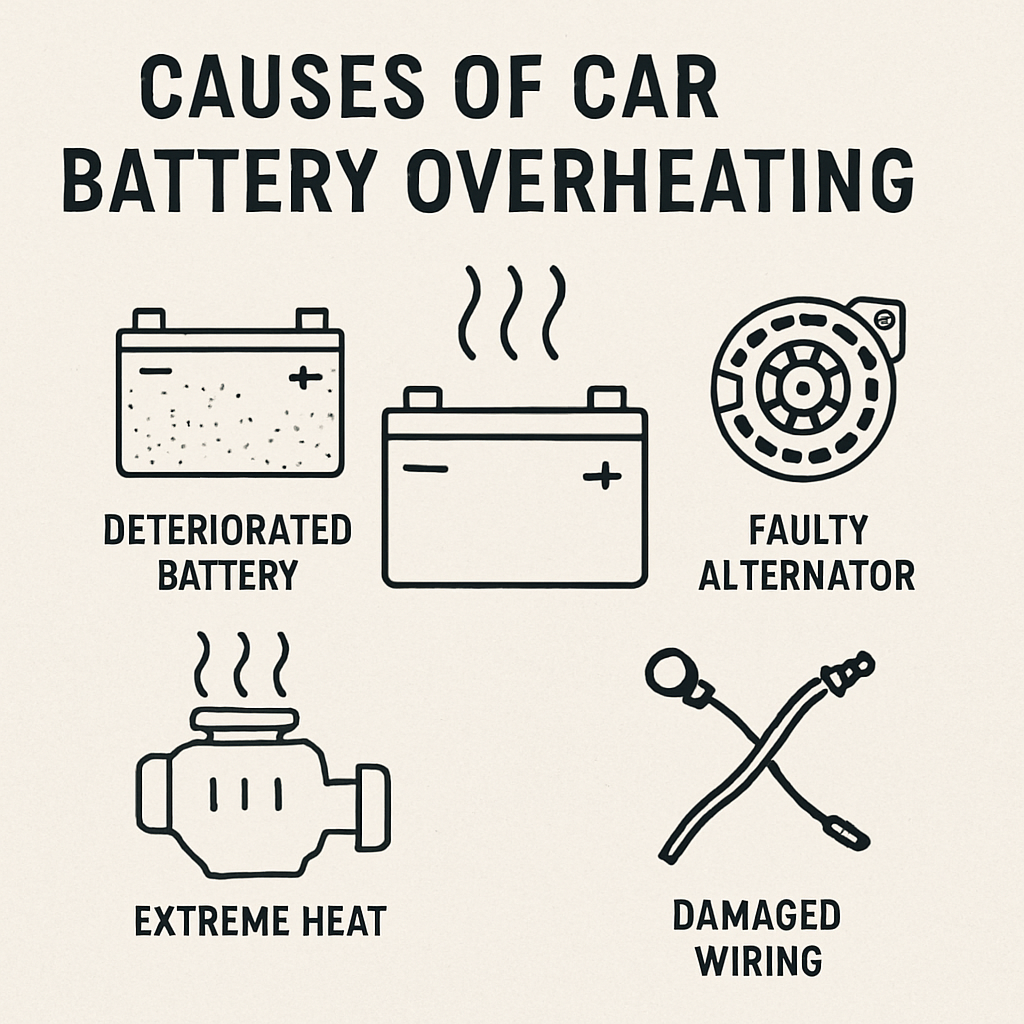
Car batteries can overheat for several reasons. High ambient temperatures are a common cause. When it’s hot, batteries struggle to stay cool.
Excessive charging is another issue. Charging beyond the battery’s capacity generates excess heat. Internal faults, such as damaged cells, can also lead to overheating.
The risks of an overheating battery are significant. Overheating can shorten the battery’s lifespan considerably. It also compromises vehicle performance, leading to breakdowns.
An overheated battery poses safety hazards. It can lead to acid leaks or even fires. Recognizing these dangers is crucial for timely preventive action.
Common Causes of Battery Overheating:
- High ambient temperatures
- Excessive charging
- Internal faults
Understanding these factors is the first step to effective car battery care. Taking action can mitigate these risks and extend battery life.
Signs Your Car Battery Is Overheating
Recognizing signs of an overheating battery is crucial. A bulging or swollen battery case is a clear indicator. It suggests internal pressure from heat buildup.
A strong sulfur smell also indicates overheating. This odor resembles rotten eggs and is a warning sign of acid leaks.
Another sign to watch for is poor battery performance. Sluggish starts and dimming headlights often point to battery issues. These symptoms signal you to inspect and address potential overheating problems promptly.
Signs of Overheating:
- Bulging battery case
- Strong sulfur smell
- Poor performance
Essential Car Battery Cooling Tips
Overheating can harm your battery’s longevity. Utilizing cooling strategies is key to extending battery life and performance.
Firstly, consider your parking habits. Always opt for shaded, cooler spots to keep the temperature down.
Invest in battery heat shields. These shields provide essential insulation against engine heat, offering a simple but effective solution.
Ventilation is another crucial factor. Ensure that the area around your battery is well-ventilated to let heat disperse efficiently.
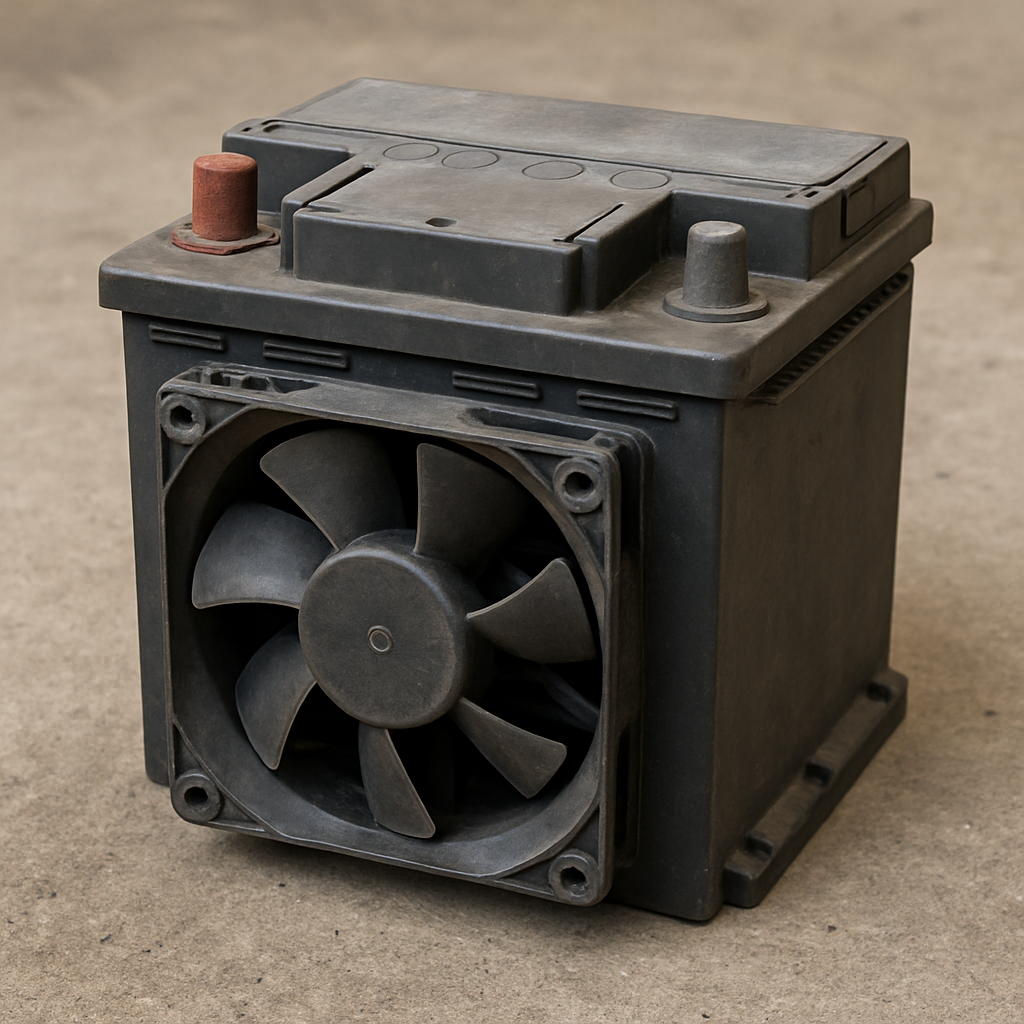
For more significant cooling, explore installing battery cooling fans. These fans actively reduce temperature during hot conditions.
Routine maintenance is essential. Regularly inspect and clean your battery to ensure top performance and prevent overheating.
Upgrading to a high-performance battery might be necessary for extreme conditions. These batteries are designed to handle temperature fluctuations better.
Educating yourself about your battery and car can prevent many overheating issues.
Cooling Tips:
- Park in the shade
- Use heat shields
- Maintain ventilation
Park Smart: Shaded and Cool Locations
Where you park can greatly influence battery temperature. Shaded areas, especially during high heat, help maintain a cooler environment.
Use structures like trees or garages when choosing a parking spot. This reduces direct sun exposure and heat absorption.
Parking Tips:
- Park under trees
- Use carports or garages
Use Battery Heat Shields and Insulation
Battery heat shields are practical investments. They act as a barrier between engine heat and your battery.
Shields limit the amount of heat the battery absorbs, providing much-needed insulation. This can help extend your battery’s operational life.
Consider high-quality insulating materials to ensure durability and efficiency.
Insulation Tips:
- Install heat shields
- Choose quality materials
Ensure Proper Ventilation Around the Battery
Ventilation is key for battery temperature control. It allows heat to dissipate, reducing the risk of overheating.
Ensure there are no obstructions around the battery. This promotes air circulation and removes excess heat efficiently.
Proper battery placement can also facilitate better ventilation.
Ventilation Tips:
- Remove blockages
- Ensure airflow
Install Battery Cooling Fans or Thermal Management Systems
Battery cooling fans offer significant cooling benefits. They actively reduce heat, especially during extended periods of high temperature.
For electric and hybrid vehicles, consider thermal management systems. These systems provide advanced temperature control, maximizing battery efficiency.
Installation of such systems can improve overall vehicle performance and prevent overheating.
Cooling Systems Tips:
- Use cooling fans
- Install thermal management systems
Battery Temperature Control: Maintenance and Monitoring
Proactively managing your car battery extends its life. Regular maintenance keeps your battery cool and efficient. Start by inspecting your battery often. Look for signs of wear or corrosion. Clean your battery terminals to ensure proper connectivity.
Monitor your battery’s temperature with sensors. These devices alert you before overheating becomes a problem. Consider using a smart charger. It regulates charging and reduces heat, especially during long trips.
Maintaining the right charge level is crucial. Both overcharging and undercharging can generate excess heat. A battery maintainer can help keep the charge just right.
Understanding climate’s impact on battery performance is important. Extreme temperatures, whether hot or cold, require different maintenance strategies. Prepare accordingly, especially in unpredictable weather.
Lastly, educate yourself on your vehicle’s cooling systems. Ensure they’re functional to maintain overall battery performance and vehicle safety.
Maintenance Tips:
- Inspect for wear
- Clean terminals
- Use smart chargers
Regular Inspection and Cleaning
Inspecting and cleaning your battery are vital practices. These tasks help uncover any early warning signs of potential issues. Begin by examining the battery’s exterior. Look for cracks, leaks, or swelling.
Cleaning the terminals helps prevent corrosion. This ensures better power flow and reduces unnecessary heat accumulation. Use a suitable battery cleaner and a wire brush.
Regular attention keeps your battery functional longer.
Inspection and Cleaning Tips:
- Check for leaks
- Clean with a wire brush
Monitor Battery Temperature and State of Charge
Constant temperature and charge monitoring prevent overheating. Deploy battery temperature sensors. These sensors provide real-time data, allowing swift action when temperatures rise.
Stay aware of the battery’s charge level to avoid extremes. Both excessive and insufficient charges lead to heat buildup and stress your battery.
Use a multimeter to check the state of charge. This practice helps maintain an optimal energy level.
Monitoring Tips:
- Install temperature sensors
- Regularly check charge levels
Charging Habits to Prevent Overheating
Charging habits play a crucial role in preventing battery overheating. Avoid charging your car battery in direct sunlight or extremely hot conditions. This precaution helps prevent unnecessary heat buildup.
Use a high-quality charger that adjusts power based on battery needs. Smart chargers can be particularly effective in managing charge levels and preventing overcharging. Monitoring charging times is equally important.
Short charging cycles generate more heat and stress the battery. Opt for longer, complete charging sessions when possible. By adopting these habits, you can maintain your battery’s health and longevity.
Charging Tips:
- Charge in cool conditions
- Use smart chargers
- Avoid short cycles
Upgrading and Replacing for Better Battery Care
Upgrading to a high-performance battery can enhance heat resilience. These advanced batteries are designed to perform well even in extreme conditions. Consider this option if you often face high ambient temperatures.
Replacing an old, inefficient battery is essential for preventing overheating. A new battery ensures better energy management and reliability. It also reduces the risk of malfunction due to overheating.
Key Benefits of Upgrading:
- Improved heat resistance
- Enhanced energy efficiency
- Increased reliability



Leave a Reply