
Commercial Refrigeration in Australia: A Complete Guide
Whether you’re running a cafe or restaurant, supermarket or other food business in Australia, you cannot afford to be wrong with your commercial refrigeration. You have to use the refrigeration equipment you have in your food and drink storage to ensure the food and drinks remain safe, the refrigeration will continue operating even in the toughest conditions, and the refrigeration must comply with local energy regulations. This job is no small task in a country that is known for long, hot summery days and heat waves.
This guide will cover an overview of the most common types of commercial refrigeration systems found in Australia; the latest Greenhouse and Energy Minimum Standards (GEMS) applicable to those systems; and the future of Australian businesses with respect to the upcoming Hydrofluorocarbon phase down. In addition, you will be able to find practical maintenance recommendations for your commercial refrigeration system to withstand extreme heat and understand how the use of natural refrigerants (CO2 and propane) is helping shape the future direction of the industry.
Key Insights
Australia is phasing out imports of high-GWP (Global Warming Potential) refrigerants including R-404A as a result of the HFC phase-down, and transitioning to natural refrigerants including CO2 (R744) and propane (R290) is occurring more quickly.
The GEMS (Greenhouse and Energy Minimum Standards) Act 2012 has established energy efficiency standards for commercial refrigeration equipment; starting on 03 March 2026 there will be new obligations as commercial ice-makers will be required to comply to this legislation.
To minimize the likelihood of breakdowns from harsh Australian summers, you should regularly perform basic upkeep (i.e. cleaning the condenser coils and checking the temperatures) on your refrigeration system. The type of refrigeration system that best suits your business will be determined by how you operate, so it’s crucial to compare the initial cost to how much energy costs you will save long-term.
What are the main types of commercial refrigeration systems in Australia?
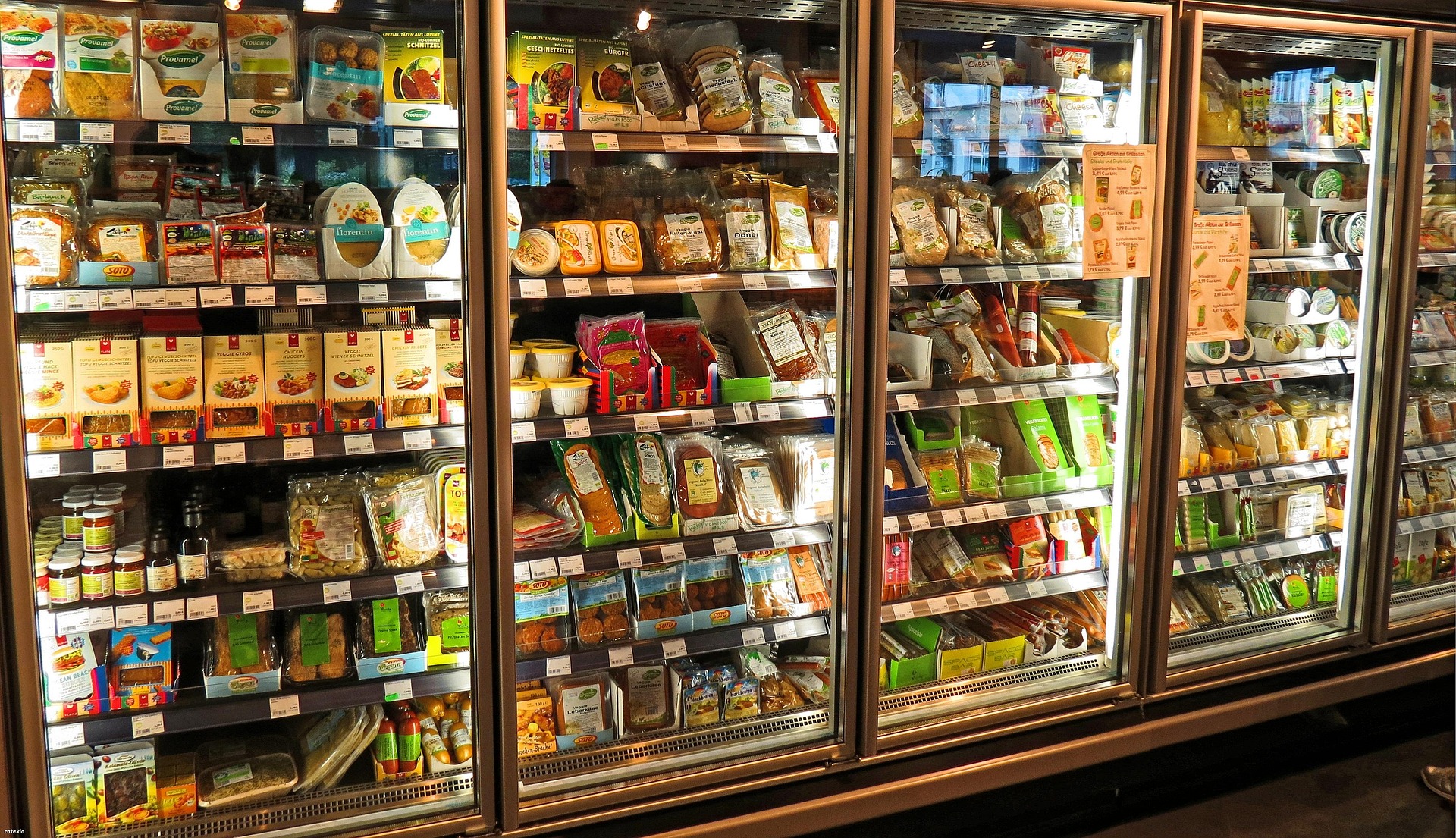
The primary types of commercial refrigeration systems in Australia include upright storage cabinets, display fridges, walk-in cool rooms and undercounter units, and as a business, you will select the best option from these four types depending on your available space, your stock volume requirements and how easy it is for your staff or customers to access the product.
Busy commercial kitchens commonly choose upright storage cabinets due to their fast cooling capabilities after the door has been opened. Display fridges are meant to attract customers, thus include glass doors and internal illumination to enhance product display. Walk-in cool rooms would be best suited for businesses requiring larger quantities of storage space as well as allowing employees to enter the cool room and have easy access when delivering products stock. Under-counter units will work in smaller businesses such as cafes and bars where space is limited, and quick access to supplies are critical.
When storage capacity is most important, a walk-in cool room is usually the best solution. However, if you have limited space and require refrigeration near your work area, an under-counter unit may better suit your needs. System type Primary use Main advantage Types of businesses that would benefit from this product Upright storage cabinet Kitchen ingredient storage Maximum storage capacity, rapid cooling Restaurants, large cafes Display fridge Display of products that are for sale to customers in the front of the house
High visibility of products Supermarkets/convenience stores Walk-in Cool (refrigerator/freezer) Room Bulk storage of perishable items Very large volume capacity Hotels/Wholesale suppliers Under counter refrigeration unit Point of service access to ingredients Space saving design Bars, small cafes, food trucks How are energy efficiencies and sustainability achieved with the use of refrigeration in Australia?
The use of refrigeration in Australia’s commercial sector is governed primarily by the Greenhouse and Energy Minimum Standards (GEMS) Act 2012 which establishes energy efficiency standards for commercial refrigeration units and systems. The second major area of regulation is on sustainability which is through the national HFC phase-down program. Collectively, both regulations are driving manufacturers to produce more efficient equipment and pushing businesses to use lower impact refrigerants as they replace existing RAC equipment.
The GEMS Commercial Ice Makers Determination 2025 specifies that pre-commercial developments requiring registration with the GEMS Regulator include all REAS, ice makers, and televisions. This regulation will come into effect on March 3, 2026, meaning that any ice-makers manufactured AFTER this date must be registered with the GEMS Regulator prior to selling the said product within Australia. Any REAS or ICE Makers manufactured after this date can only be sold if they have been registered with the GEMS Regulator.
The Department of Climate Change, Energy and Water (DCCEEW) administers Australia’s Hydrofluorocarbon (HFC) phase-down program, which started to take effect from January 1, 2018, whereby progressively, the total quantity of bulk Hydrofluorocarbons supplied within Australia is decreased. Consequently, the availability of high global warming potential fluids such as R-134a and R-404A (HFCs) is decreasing; therefore, many businesses and manufacturers are increasingly switching from high GWP HFCs to “natural” refrigerants, such as carbon dioxide (CO2), ammonia (NH3) and propane, which have significantly lower environmental impacts than traditional HFCs.
How should Australian businesses maintain their commercial refrigeration equipment?
In Australia, maintaining commercial refrigeration is key for keeping it working at its best. This can include checking daily temperature levels, cleaning condenser coils monthly, and having a professional service schedule twice per year. Maintenance is particularly important when temperatures reach such high levels during the hotter months of the year, as the compressor and the entire cooling system are taxed when trying to have cold air run from the compressor to the refrigerator.
Basic maintenance is critical for avoiding costly failures and the loss of product due to spoilage. Every day, employees should look for check seals on the refrigerator door for cracks, warps and/ or gaps. This is because when a seal is broken, cold air can leak out and the refrigeration unit will be forced to use more energy to cool down. Additionally, it is important that the area around the refrigerator or freezer be free of obstructions so that there is unobstructed flow of air to allow for the heat to dissipate.
In the Australian summer months, kitchen temperatures can easily exceed 40 degrees Celsius. When this occurs, dirty condenser coils can lead to rapid overheating and even failure of your HVAC system. A stiff bristle brush and a vacuum will help to remove any dust and grease that have built up on the coils. You also should have a qualified technician inspect the HVAC system at least twice a year to check for refrigerant levels, calibrate the thermostat or thermostats, and inspect all of the electrical components for wear and tear.
What are the future trends in commercial refrigeration technology for 2026 and beyond?
Australia’s commercial refrigerations are changing in many ways that will affect how people use commercial refrigeration systems. The shift toward natural refrigerants, smart monitoring, and advanced compressor technology is intended to reduce energy consumption, greenhouse gas emissions, and increase the reliability of commercial refrigeration equipment for users.
Natural refrigerants like propane (R290) and carbon dioxide (R744) are becoming increasingly popular as HFC phase-out progresses. Manufacturers are modifying their equipment to accommodate the varying pressure and safety parameters associated with different types of refrigerants.
Commercial refrigeration is increasingly adopting smart technologies. Most modern refrigeration units have internal sensors that monitor temperature changes, energy consumption and how many times doors are opened in real time. The data collected from these sensors can be sent to cloud-based software applications so that owners and managers can more easily oversee the performance of their units through an app or website. In addition, some newer models can alert users to minor issues (like a fan motor beginning to fail) before they escalate into significant failures.
Final thoughts on upgrading your commercial refrigeration setup
When it comes time to upgrade your commercial refrigeration equipment, do not simply look at getting the newest piece of equipment available. Instead consider the factors involved with upgrading; these include ongoing daily requirements for your business’s operations and understanding the unique requirements of the Australian climate, as well as compliance standards and ongoing costs associated with running your equipment. Because of the 2026 GEMS standards that will come into play regarding ice makers, along with the HFC phase-down, businesses should take some time now to assess if their current equipment suits their needs any longer.
natural refrigerants and an effective preventative maintenance plan will help ensure your inventory is kept safe while reducing energy usage and your environmental footprint. When upgrading your refrigeration system, consult with a certified refrigeration technician who can evaluate how to proceed with your current system and develop a practical plan for the future.
Frequently Asked Questions (FAQ)
What is the HFC phase-down in Australia?
In accordance with the Australian Government’s commitment to reduce the GHG emissions of HFCs, the HFC Phase Down is a government-run initiative that commenced on January 1, 2018, which will manage the gradual reduction of HFCs imported into Australia, due to the relatively high global warming potential associated with HFCs. Thus, through the HFC Phase-Down initiative, there is an intention to reduce the amount of HFCs used after the implementation date, to promote the adoption of alternative refrigerants based on natural products.
How much does a commercial display fridge cost to run?
How much a commercial display fridge costs to operate depends on several factors: – The size of the unit – The GEMS energy rating (Government Energy Management System) of the unit – The cost of electricity in your area In general, newer high-efficiency models (e.g., models with triple-glazed doors, natural refrigerants) cost less to operate than older, less-efficient models.
Why is my commercial fridge freezing food?
If you have set your thermostat too low, the temperature sensors are malfunctioning, or airflow is obstructed inside your commercial refrigerator then this could be the reason that it is freezing its contents. Make sure to keep an eye on the products because if they are touching the internal vents they might be creating cold spots.
What are the GEMS requirements for commercial ice-makers?
Beginning March 3, 2026, specific commercial ice makers will need to be registered with the GEMS Regulator in order for them to be sold in Australia. This requirement is contained within the Greenhouse & Energy Minimum Standards (Commercial Ice Makers) and will apply to equipment that must comply with specific energy efficiency standards.

Leave a Reply