
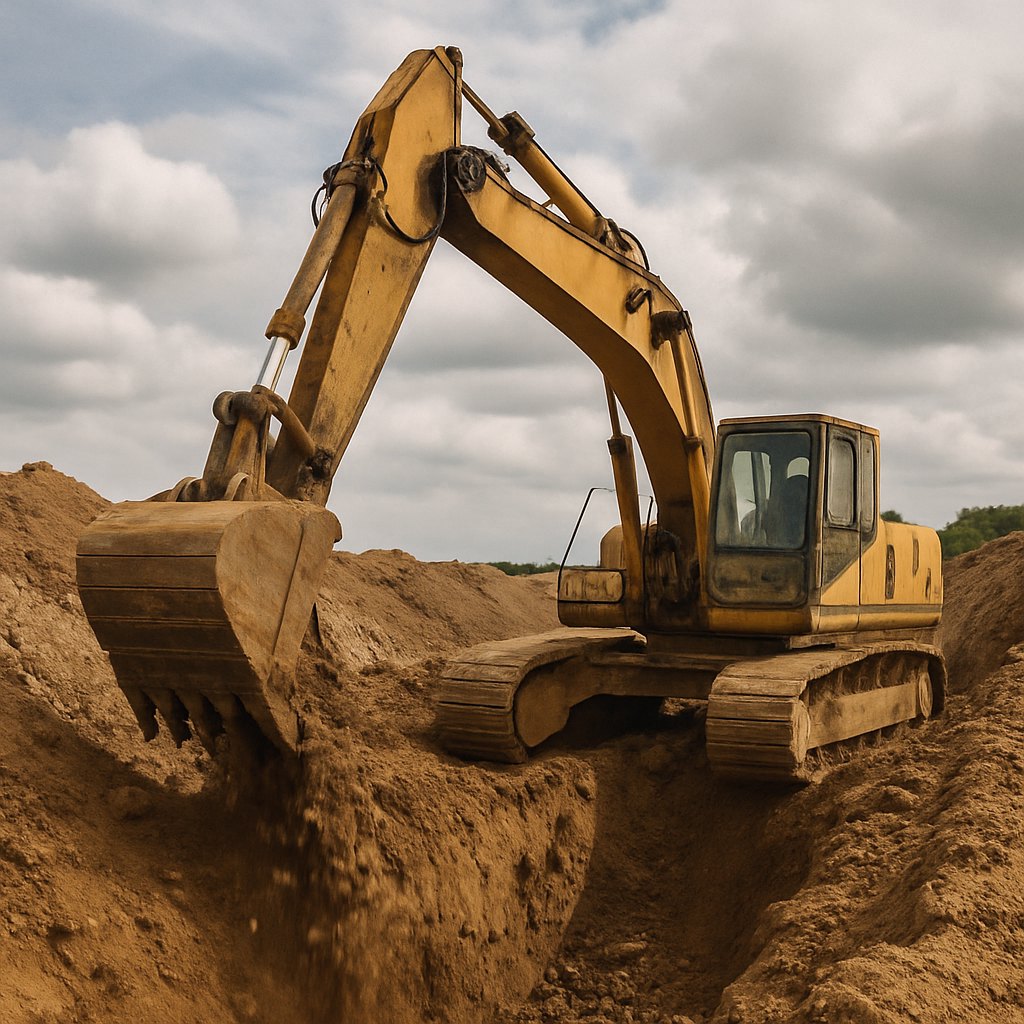
Why Non-Destructive Digging Minimises Environmental Impact
Ground disturbance has a cost.
You see it in waste, runoff, and damaged roots.
And you often pay for it later.
That’s why non-destructive digging matters.
When you excavate with care, you protect more than buried services. You also protect soil structure, nearby vegetation, drainage paths, and the wider site. That can make a real difference on civil, construction, utility, and remediation jobs.
Hydro vacuum excavation is one of the best tools for that work. It uses pressurised water to loosen soil, then removes the slurry with strong vacuum suction. The process is precise. And it causes far less disruption than traditional digging methods.
At Tasman Excavations, we see this on site often. A job that starts with safer digging usually ends with less waste, fewer repairs, and cleaner environmental outcomes.
In this article, we’ll explain why non-destructive digging minimises environmental impact, where it fits, and how it supports better site control.
What is non-destructive digging?
Non-destructive digging, or NDD, is a safer excavation method.
It breaks up soil with water.
Then it lifts the material into a tank.
That means no bucket teeth tearing through the ground.
Hydro vacuum excavation is the most common form of NDD on active worksites. It’s widely used to expose utilities, clean pits, remove contaminated material, and work in sensitive areas.
That matters when your site includes:
- Tree roots
- Underground services
- Drainage assets
- Contaminated zones
- Tight access areas
- Active traffic corridors
Traditional excavation still has a place. But it can disturb too much material at once. And that often creates avoidable environmental harm.
Why traditional digging creates more impact
Mechanical digging is fast.
But it isn’t always selective.
And that’s where problems start.
A machine can remove clean soil with contaminated soil. It can crush roots, damage stormwater lines, and spread mud across the site. Even a small over-dig can create more spoil, more disposal, and more reinstatement work.
Common environmental risks from traditional digging include:
- Soil mixing across clean and dirty zones
- Damage to established tree roots
- Sediment spread during wet weather
- Higher spoil volumes
- Drain and pit damage
- Greater risk of runoff
Once that disturbance happens, your options narrow.
You spend more time fixing impact.
And less time progressing the job.
How hydro vacuum excavation reduces environmental harm
Hydro excavation works with more control.
That’s the core benefit.
You disturb only what needs removal.
Instead of ripping through a wide area, the operator targets a smaller zone. The water loosens the soil. The vacuum captures the material straight away. That limits spread and supports cleaner excavation.
This helps you:
- Protect surrounding ground
- Keep waste streams separate
- Reduce loose sediment on site
- Lower the risk of runoff
- Avoid unnecessary reinstatement
And on sensitive sites, that precision matters a lot.
Protecting roots and surrounding vegetation
Root damage often goes unseen at first.
But the long-term effect can be serious.
A healthy tree can decline months later.
Traditional excavation can shear roots fast. It can also compact the surrounding ground, which reduces air and water movement through the soil. That harms nearby vegetation, even if the trunk stays untouched.
Non-destructive digging helps avoid that.
Because hydro excavation removes soil with precision, crews can expose root zones without tearing through them. That gives you a better view of what’s underground and helps you work around critical root structures.
This is especially useful when you’re working near:
- Street trees
- Retained vegetation
- Landscaped areas
- Creek edges
- School grounds
- Public open spaces
If your project needs service installation or inspection near established trees, NDD can reduce the chance of lasting damage. It supports cleaner access and better root-zone preservation.
For practical guidance on protecting vegetation and managing site impacts, you can review Australian Government environmental resources here:
https://www.dcceew.gov.au/
You can also refer to university-based environmental and soil information through Australian institutions such as:
https://www.unimelb.edu.au/
Preventing soil cross-contamination
This is one of the biggest environmental wins.
When you dig mechanically, you often mix materials. Clean fill gets mixed with stained soil. Surface sediment gets dragged into deeper layers. Contaminated pockets become harder to isolate.
That can turn a contained issue into a bigger one.
Hydro vacuum excavation helps prevent that spread because it removes material from a targeted area with much tighter control. If a spill has affected only part of the ground, the crew can recover that section more accurately and keep cleaner material out of the waste stream.
That matters for:
- Fuel spills
- Oily soils
- Chemical leaks
- Sediment build-up
- Drain and pit contamination
- Washdown residue
And it’s especially useful during waste oil and hydrocarbon removal, where hidden spread is common. Oil can move along service trenches, settle in low points, and cling to fine soils. If you disturb too much ground, you risk spreading the contamination further.
A controlled excavation method helps minimise water and soil contamination from the start.
Reducing waste and disposal volume
Waste costs money.
It also adds transport and disposal pressure.
And excess spoil rarely helps the job.
Traditional digging often creates more spoil than needed. A larger bucket removes a larger footprint. That means more soil to classify, move, store, and dispose of. If any of that spoil is contaminated, disposal costs rise fast.
Hydro vacuum excavation can reduce those volumes.
Because the method is selective, you remove less clean material. That can mean:
- Lower spoil quantities
- Better waste segregation
- Fewer truck movements
- Less landfill pressure
- Reduced disposal cost
This is a major benefit on remediation jobs.
It also helps on urban sites with limited laydown space.
And it improves housekeeping during wet conditions.
Less spoil on the ground means less chance of sediment tracking. It also supports dangerous run-off protection, because there’s less loose material available to wash into drains.
Better control during spill response
Spill cleanup needs precision.
You’re not just digging.
You’re trying to stop spread.
Hydro vacuum excavation works well in spill response because it can remove contaminated soil, sludge, and pooled liquid without the same disturbance caused by buckets or hand digging.
That supports:
- Faster containment
- Cleaner recovery
- Safer work near buried services
- Better waste capture
- Less secondary spread
For many sites, this links directly to proactive spill management. If you have known risk points such as refuelling areas, bund drains, washdown zones, or storage yards, NDD can support both emergency response and preventive maintenance.
It’s also a practical tool for:
- Cleaning pits before storms
- Removing oily sediment
- Exposing leaking infrastructure
- Recovering product from soft ground
- Isolating contaminated pockets
When every minute matters, less disturbance can mean better control.
Supporting dangerous run-off protection
Runoff spreads damage fast.
One storm can move contamination far.
And drainage systems don’t forgive poor planning.
When traditional digging leaves loose spoil around the excavation, rain can carry sediment and pollutants into pits, swales, and waterways. That creates extra cleanup work and may trigger reporting duties.
Hydro excavation reduces that risk because removed material goes directly into a sealed tank. There’s less spoil sitting exposed. And there’s less fine material left to wash away during rain or traffic movement.
That makes NDD a strong choice where dangerous run-off protection is a priority, especially near:
- Stormwater pits
- Open drains
- Watercourses
- Batters and slopes
- Hardstand runoff paths
- Sensitive environmental areas
Containment starts with method selection.
And the digging method matters more than many teams think.
A cleaner fit for compliance and reporting
Environmental performance needs proof.
It’s not enough to say you acted well.
You need records that support the response.
Because hydro vacuum excavation is controlled, it often makes documentation easier. Crews can define the affected area, recover material directly, and track waste volumes with more confidence.
That can support:
- Clearer waste records
- Better incident logs
- More accurate site photos
- Stronger disposal traceability
- Cleaner compliance reporting
This becomes important for regulatory compliance for site spills. If contamination reaches drains, soil, or off-site areas, you may need to show what was done, how quickly it happened, and what material was removed.
In some cases, that also affects environmental protection authority (EPA) reporting. A messy, poorly controlled excavation can make the event harder to explain later. A more precise response helps you show practical steps taken to limit harm.
For Australian work health and safety and incident guidance, Safe Work Australia remains a useful reference:
https://www.safeworkaustralia.gov.au/
And for Tasmania-specific environmental information, EPA Tasmania is relevant here:
https://epa.tas.gov.au/
How NDD supports incident planning
A response plan should be practical.
It should match real site conditions.
And it should be easy to activate.
That’s where NDD fits well into an incident response plan construction teams can actually use. If your site handles fuel, oils, chemicals, slurry, or contaminated runoff, non-destructive digging can be built into your response process.
For example, your plan may cover:
- Isolate the area
- Protect drains and low points
- Stop the source if safe
- Call specialist support
- Recover contaminated material
- Document actions and waste removal
Hydro excavation supports several of those steps. It helps recover material fast, reduce spread, and protect underground infrastructure during cleanup.
And because it’s less invasive, it can also reduce the need for follow-up reinstatement.
Real site benefits beyond spills
NDD isn’t only for emergencies.
It improves routine site work too.
And that lowers environmental pressure over time.
On everyday projects, hydro vacuum excavation can help with:
- Service locating
- Pole and sign footings
- Potholing near roots
- Drain cleaning
- Trench access in tight areas
- Exposure of unknown assets
In each case, the same principle applies.
Less disturbance means less impact.
And cleaner work means cleaner outcomes.
This matters on projects with environmental constraints, heritage considerations, public interfaces, or strict waste targets. It also matters where community expectations are high and site presentation affects trust.
Common mistakes that increase impact
Not every issue comes from the spill itself.
Sometimes the cleanup causes the damage.
That’s avoidable in many cases.
Watch for these common problems:
- Over-excavating beyond the affected area
- Mixing clean and contaminated spoil
- Leaving loose material near drains
- Damaging roots during service access
- Using mechanical digging near sensitive assets
- Delaying response during wet weather
- Keeping poor records during cleanup
A more selective digging method reduces these risks.
But only if the response is planned well.
Method and decision-making must work together.
What to consider before choosing the method
Not every job needs NDD.
But many environmentally sensitive jobs do.
The choice should be deliberate.
You should consider hydro vacuum excavation when:
- Tree roots must stay intact
- Buried assets are densely packed
- Soil contamination may be present
- Drainage assets sit nearby
- Waste volumes need tight control
- The site has strict environmental conditions
If the risk of spread is high, precision helps.
If the site is sensitive, precision helps more.
And if compliance matters, control matters most.
Why the long-term impact matters
Environmental damage often lingers.
The cost doesn’t stop at excavation.
It carries into future work and reputation.
Poor digging methods can lead to:
- Dead or weakened vegetation
- Ongoing soil contamination
- Extra waste handling
- Repeat remediation
- Drainage repairs
- Greater regulator attention
But careful excavation can reduce those outcomes.
That’s why method selection matters early.
You shape the result before digging starts.
Final thoughts
Non-destructive digging minimises environmental impact because it gives you control. It protects roots, limits soil mixing, reduces waste, and supports cleaner site management. It also helps with spill response, runoff prevention, and better records when incidents occur.
For construction and remediation sites, that isn’t a minor benefit. It’s a practical way to lower risk while keeping work moving.
If your site needs safer excavation near roots, services, drains, or contaminated ground, hydro vacuum excavation is worth serious consideration. It helps you do the job with less disturbance and better environmental outcomes.
And in this kind of work, less disturbance is often the smartest path forward.


Leave a Reply