
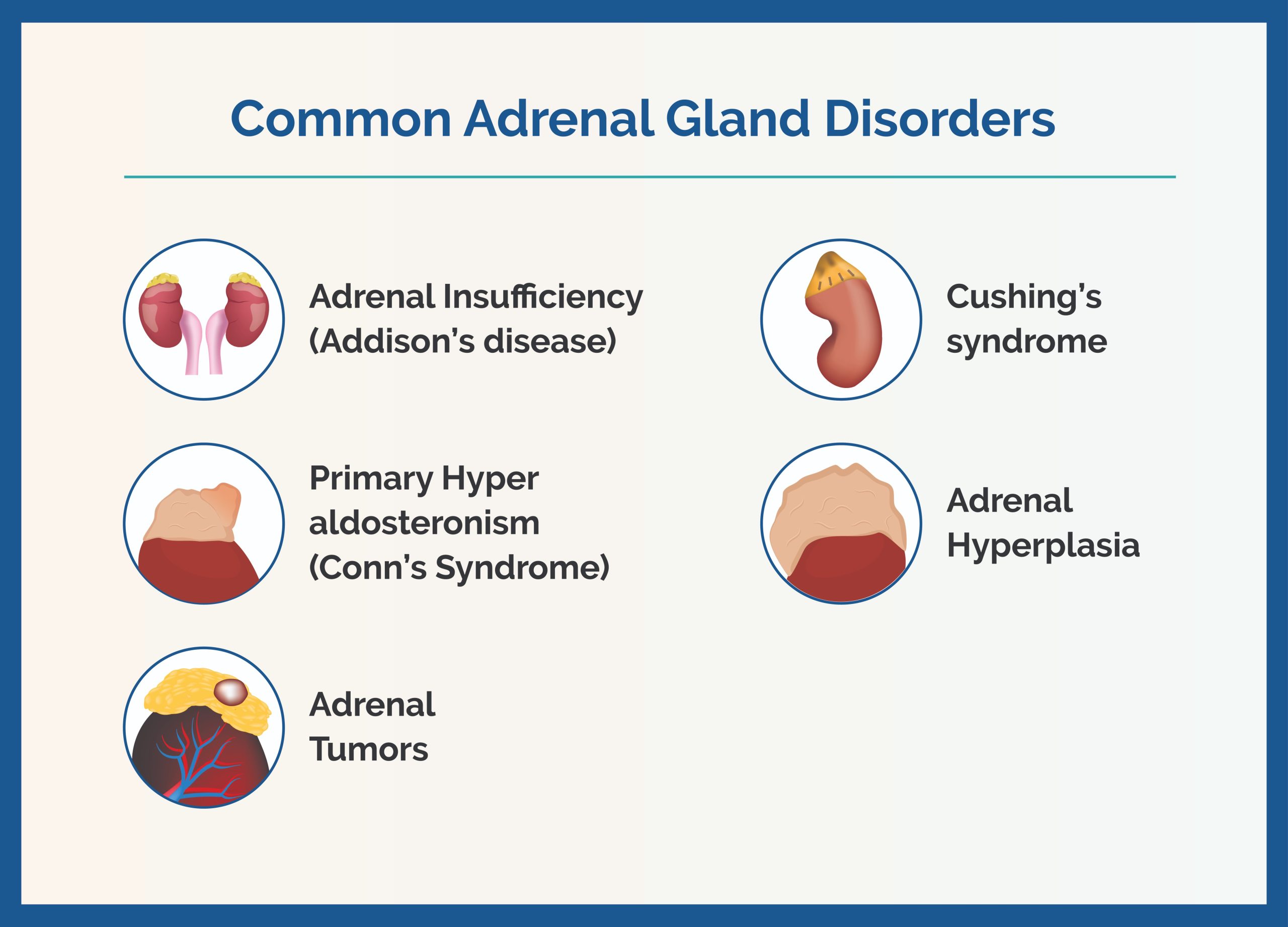
Adrenal Gland Tumours Guide: Symptoms, Diagnosis, and Treatment Options
Your adrenal glands are tiny. They still do a big job.
These two glands sit above your kidneys. They make hormones that help control blood pressure, stress response, salt balance, and metabolism. When a tumour grows in one of them, it can upset that balance. Sometimes it doesn’t cause any signs at all.
That’s why these tumours can be hard to spot.
An adrenal gland tumour is a growth in the adrenal gland. Some tumours are benign, which means they aren’t cancer. Others are malignant, which means they are cancer and may spread. We often find adrenal tumours during scans done for something else. Many turn out to be benign. Even so, they still need a proper check because some tumours make extra hormones and can make you quite unwell.
Some adrenal tumours are functional. They make too much hormone. That can lead to clear symptoms and real health risks. Others are non-functional. They don’t make extra hormones, so you may feel completely fine.
If you’ve been told you have an adrenal mass, it’s normal to feel rattled. I see why people worry. The good news is that doctors usually follow a clear path to work out what the tumour is and what to do next. Your treatment depends on its size, whether it makes hormones, and whether it looks suspicious.
What Are Adrenal Gland Tumours?
Adrenal tumours start in the adrenal gland. In some cases, cancer from somewhere else can spread there.
Common types include:
- Adrenal adenomas: usually benign and often found by chance
- Phaeochromocytomas: tumours that can make adrenaline-like hormones
- Cortisol-producing tumours: these can cause signs of Cushing’s syndrome
- Aldosterone-producing tumours: these can lead to high blood pressure and low potassium
- Adrenocortical carcinoma: a rare but serious adrenal cancer
Not every tumour needs surgery. Some do. We need to know what kind of tumour you have and how it’s behaving in your body.
Common Symptoms of Adrenal Tumours
The big question is simple: Is the tumour making hormones?
If it is, you may notice a wide range of symptoms. If it isn’t, you may notice nothing at all.
Symptoms of Functional Adrenal Tumours
Functional tumours make extra hormones. Those hormones can affect your whole body.
Possible symptoms include:
- High blood pressure
- Headaches
- Sweating
- Heart palpitations
- Anxiety or panic-like episodes
- Unexplained weight gain
- Muscle weakness
- Easy bruising
- High blood sugar
- Low potassium
- Excess thirst
- Frequent urination
- Irregular periods
- Increased facial or body hair
- Salt retention
- Fatigue
Some symptom patterns point us toward certain tumour types.
Tumours That Produce Cortisol
Too much cortisol can lead to Cushing’s syndrome.
You may notice:
- Weight gain around your middle
- A rounder face
- Thin skin
- Purple stretch marks
- Muscle weakness
- Mood changes
- Poor blood sugar control
- High blood pressure
Tumours That Produce Aldosterone
Too much aldosterone often pushes blood pressure up and potassium down.
You may have:
- Hard-to-control high blood pressure
- Muscle cramps
- Weakness
- Tingling
- Excess thirst
- Frequent urination
Tumours That Produce Adrenaline-Type Hormones
Phaeochromocytomas can release bursts of adrenaline-like hormones. The symptoms may come and go, which can make them confusing.
You may feel:
- Sudden headaches
- A racing heartbeat
- Sweating
- Shaking
- Anxiety
- Flushing
- Very high blood pressure
These episodes can feel dramatic. You shouldn’t ignore them.
Symptoms of Non-Functional Adrenal Tumours
Non-functional tumours usually don’t make hormones. Many cause no symptoms.
Larger tumours can sometimes cause:
- A feeling of fullness
- Abdominal discomfort
- Back or flank pain
- Pressure on nearby structures
These symptoms don’t point only to the adrenal gland. Lots of other conditions can cause them too. That’s why testing matters.
How Adrenal Tumours Are Diagnosed
When we assess an adrenal tumour, we look at two main things. We check whether it makes hormones. We also check whether it looks benign or suspicious.
Your doctor will usually start with your story, your symptoms, your blood pressure, and an examination. After that, you’ll often need blood tests, urine tests, and imaging.
Blood and Urine Tests
These tests help show whether your adrenal gland is making too much hormone.
Common tests may include:
- Blood tests for cortisol
- Blood tests for aldosterone and renin
- Blood or urine tests for catecholamines or metanephrines
- Electrolyte tests, including potassium
- Other hormone tests based on your symptoms
Your doctor may also ask for a 24-hour urine collection. That gives a fuller picture of hormone output across the day.
These tests help narrow things down. They also help shape the treatment plan.
Imaging Tests
Imaging shows the size and look of the tumour.
The most common scans include:
- CT scan
- MRI scan
These scans help doctors assess:
- The size of the tumour
- Whether the edges look smooth or irregular
- Whether it looks benign or suspicious
- Whether nearby structures are involved
- Whether there are signs of spread
A small smooth tumour may worry us less. A larger mass needs a closer look. Scans don’t tell the whole story on their own, so doctors read them alongside your symptoms and hormone results.
Incidental Adrenal Tumours
Sometimes an adrenal tumour turns up by accident. Doctors often call this an adrenal incidentaloma.
It may show up during a scan for:
- Back pain
- Kidney stones
- Lung problems
- Digestive symptoms
That can sound scary. It doesn’t always mean cancer.
Many incidental adrenal tumours are benign. You still need a proper review to check hormone activity and assess the scan findings.
If you’d like trusted Australian health information, these resources can help:
Treatment Options for Adrenal Tumours
Treatment depends on the type of tumour, its size, whether it makes hormones, and whether doctors worry about cancer.
Your care may include monitoring, medication, surgery, or a mix of these.
Monitoring and Surveillance
Not every adrenal tumour needs treatment right away.
Doctors may suggest monitoring if the tumour:
- Looks benign on imaging
- Isn’t making excess hormones
- Is small
- Isn’t causing symptoms
Monitoring may include:
- Repeat imaging after a set time
- Follow-up hormone tests
- Blood pressure checks
- Review of any new symptoms
This approach helps you avoid surgery you don’t need. It also keeps a close watch on the tumour.
Medication
Medication can help in some cases.
Doctors may use it to:
- Control hormone overproduction
- Manage blood pressure
- Correct low potassium
- Prepare you for surgery
- Ease symptoms from functional tumours
If you have a phaeochromocytoma, your doctors often prescribe medication before surgery to control blood pressure and lower risk during the operation. If a tumour makes excess aldosterone, medication may help manage the effects while your team plans the next step.
Medication can help a lot. It doesn’t replace surgery when the tumour needs removal.
Adrenalectomy
An adrenalectomy is surgery to remove one adrenal gland. Both glands may need treatment in rare cases, but that doesn’t happen often.
This operation is a common treatment for adrenal tumours when the tumour:
- Produces excess hormones
- Causes symptoms
- Looks suspicious for cancer
- Is large
- Keeps growing
- Can’t be safely watched
The aim is straightforward. Your surgeon removes the tumour safely and lowers the risk to your health.
Laparoscopic Adrenalectomy
Laparoscopic adrenalectomy uses a minimally invasive approach.
Your surgeon makes a few small cuts. A camera and fine instruments go through those openings. The surgeon then removes the adrenal gland carefully.
This approach often means:
- Smaller cuts
- Less pain after surgery
- A shorter hospital stay
- Faster recovery
- Less scarring
Many benign adrenal tumours can be removed this way. It’s often a good option when the tumour is smaller and doesn’t appear to involve nearby tissues.
Open Adrenalectomy
Open adrenalectomy uses a larger cut.
Your surgeon may suggest this approach when:
- The tumour is large
- Cancer is suspected
- The tumour involves nearby organs or structures
- A minimally invasive approach may not be safe
Open surgery gives the surgeon more direct access. Recovery is usually slower than with laparoscopic surgery, but in some cases it’s the safer option.
What Happens After Surgery?
Recovery depends on the type of surgery you have and your general health.
After surgery, your team may monitor:
- Blood pressure
- Hormone levels
- Pain control
- Fluid balance
- Wound healing
Some people need hormone support after surgery. That depends on how well the remaining adrenal gland works and what kind of tumour the surgeon removed.
Your surgeon will arrange follow-up care too. That may include pathology results, repeat blood tests, and specialist review.
When Surgery May Be Recommended
Doctors don’t base this decision on one factor alone. They look at the full picture.
You may be advised to consider adrenalectomy if:
- Your tumour makes excess hormones
- Your blood pressure is hard to control
- The tumour is growing
- Imaging raises concern
- The mass is large
- You have symptoms linked to the tumour
This decision should fit your case. Your surgeon should explain the risks, the likely benefits, and what recovery may look like for you.
Why Early Assessment Matters
Adrenal tumours can range from harmless to serious. You can’t tell the difference from symptoms alone.
Early assessment helps doctors:
- Identify hormone-producing tumours
- Detect or rule out cancer
- Plan safe treatment
- Prevent problems caused by excess hormones
If you’ve been told you have an adrenal lesion, try not to panic. Get it checked properly. A clear diagnosis gives you the best chance of the right treatment.
Final Thoughts
Adrenal gland tumours need careful assessment. Some are benign. Some are cancer. Some make hormones and cause major symptoms. Others stay silent.
That’s why we test properly.
Blood and urine tests can show whether the tumour is active. CT and MRI scans help define its size and features. From there, your doctor can work out whether monitoring, medication, or adrenalectomy makes the most sense.
If you need surgery, both laparoscopic and open adrenalectomy have a place. The right option depends on your tumour, your scan results, and your overall health.
If you’re worried about an adrenal tumour, talk with your GP, endocrinologist, or surgeon. Good information matters. A clear plan matters more.
Medical Disclaimer
This article gives general information only. It doesn’t replace personal medical advice, diagnosis, or treatment. If you have symptoms, test results, or scans that suggest an adrenal tumour, please see your GP, endocrinologist, or surgeon for advice that fits your situation. If you have a severe headache, chest pain, very high blood pressure, fainting, or sudden worsening symptoms, seek urgent medical care.


Leave a Reply