
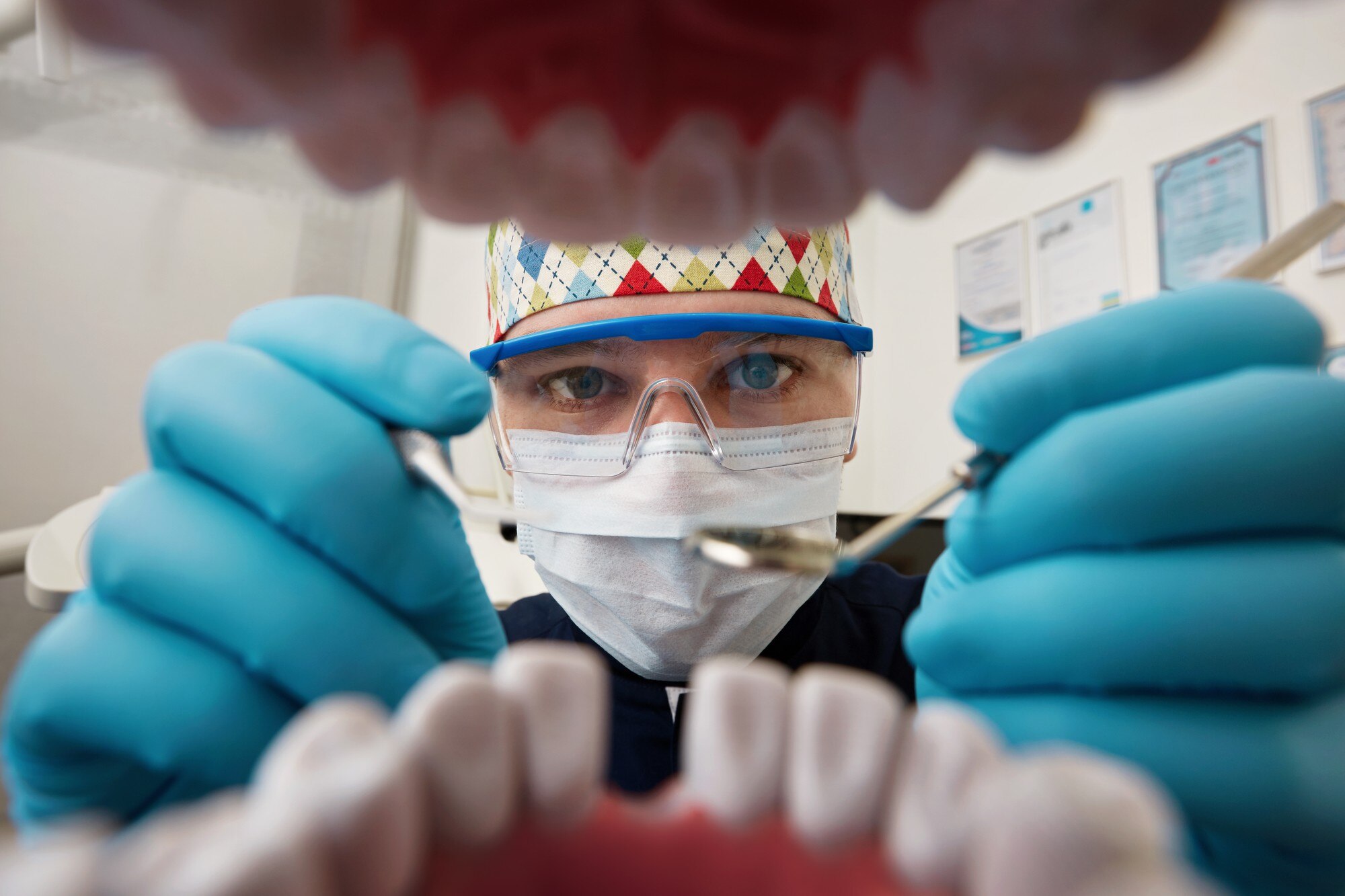
Understanding the different types of dental bridges: which one is right for you?
Missing teeth can affect more than just your smile – they can lead to bite problems, difficulty speaking or eating, and even bone loss over time. Fortunately, modern dentistry offers a variety of solutions for replacing missing teeth, with dental bridges being one of the most popular and accessible options.
Dental bridges are fixed prosthetic devices that literally “bridge” the gap left by one or more missing teeth, and offer a functional and aesthetic solution for the problem of gaps in your smile. They work by anchoring artificial teeth to the adjacent natural teeth or dental implants. But not all dental bridges are the same. In Australia, patients have access to several types, each with its own benefits and limitations depending on the condition of the teeth, gums, jawbone, and personal preferences.
Whether you’re after a minimally invasive option or a long-lasting implant-supported bridge, understanding the pros and cons of each type can help you make a confident, informed decision. Here’s a breakdown of the four main types of dental bridges available, and when each might be the most appropriate choice.
1. Traditional dental bridge
What is it? A traditional bridge consists of one or more artificial teeth held in place by dental crowns, cemented onto the natural teeth on either side of the gap (known as abutment teeth).
Best suited for:
- Patients with strong, healthy teeth on both sides of the missing tooth.
- One or two missing teeth in a row.
Advantages:
- Strong and durable – can last 10+ years with proper care.
- A well-established treatment option with predictable outcomes.
- Looks and feels natural, especially when made from porcelain or ceramic.
Disadvantages:
- Requires the removal of enamel from the abutment teeth, which is irreversible.
- Not suitable if adjacent teeth are weak, heavily filled, or compromised.
- May increase sensitivity in the crowned teeth.
2. Cantilever dental bridge
What is it? Similar to a traditional bridge, but only one abutment tooth is used to support the artificial tooth, which is anchored to a single side.
Best suited for:
- Areas with minimal biting pressure (typically the front teeth).
- When only one adjacent tooth is available or healthy.
Advantages:
- Requires less preparation than a traditional bridge – only one tooth is crowned.
- A viable solution in situations where a conventional bridge isn’t feasible.
Disadvantages:
- Less stable than a traditional bridge.
- More pressure on the supporting tooth, increasing the risk of fracture or damage.
- Not ideal for back teeth due to chewing forces.
3. Maryland (resin-bonded) bridge
What is it? Also called a resin-bonded bridge, this type uses a metal or porcelain framework bonded to the back of the adjacent teeth with a special dental resin. Minimal alteration of the abutment teeth is required.
Best suited for:
- Replacing front teeth.
- Young patients or those with minimal tooth loss.
- Patients who want a conservative, non-invasive option.
Advantages:
- Preserves the natural structure of the adjacent teeth.
- Less invasive and generally quicker to fit.
- More affordable compared to other bridge types.
Disadvantages:
- Not as strong – can de-bond under pressure.
- Less aesthetic if metal wings are used, which can show through translucent teeth.
- Not suitable for back teeth or areas under heavy bite force.
4. Implant-supported bridge
What is it? Instead of using natural teeth, this bridge is anchored to dental implants surgically placed into the jawbone. It can replace several teeth and doesn’t rely on adjacent teeth for support.
Best suited for:
- Multiple missing teeth.
- Patients with strong bone density or those eligible for bone grafting.
- When natural teeth are not available or suitable for support.
Advantages:
- Extremely strong and stable – can last decades with proper care.
- Doesn’t require alteration of healthy teeth.
- Helps prevent bone loss in the jaw by stimulating the bone through the implants.
- Natural appearance and feel.
Disadvantages:
- Higher upfront cost – generally the most expensive bridge option.
- Requires surgery and a longer healing time.
- Not suitable for patients with insufficient bone density or certain health conditions without further treatment.
Choosing the right dental bridge for you
For those of us with missing teeth, choosing the right type of dental bridge depends on several factors, including:
- The number and location of missing teeth.
- The health of adjacent teeth and gums.
- Bone density and overall oral health.
- Aesthetic preferences.
- Budget and private health insurance coverage.
The best type of bridge for you will depend on your specific oral health needs, so it’s important to discuss your options with your dentist first. Your dentist will carry out a thorough assessment, including X-rays or 3D scans, to determine which type of bridge best meets your needs. It’s also important to maintain good oral hygiene and attend regular dental check-ups to ensure the long-term success of your bridge.
Ready to restore your smile? Contact Lentini Dental today
If you’re considering a dental bridge in Melbourne, Lentini Dental offers expert care backed by decades of experience in restorative and cosmetic dentistry. Our team provides personalised treatment plans using state-of-the-art technology to ensure long-lasting, natural-looking results.
Whether you need a traditional bridge or are exploring implant-supported solutions, we’ll guide you through every step of the process with professional care and precision.
📍 Visit us in Werribee or call (03) 9742 6928 to book your consultation.
🔗 Or book online at www.lentinidental.com.au
Let us help you smile with confidence again.
Click here to read more about what makes you a good candidate for a dental bridge: https://www.lentinidental.com.au/are-you-a-good-candidate-for-a-dental-bridge/


Leave a Reply