
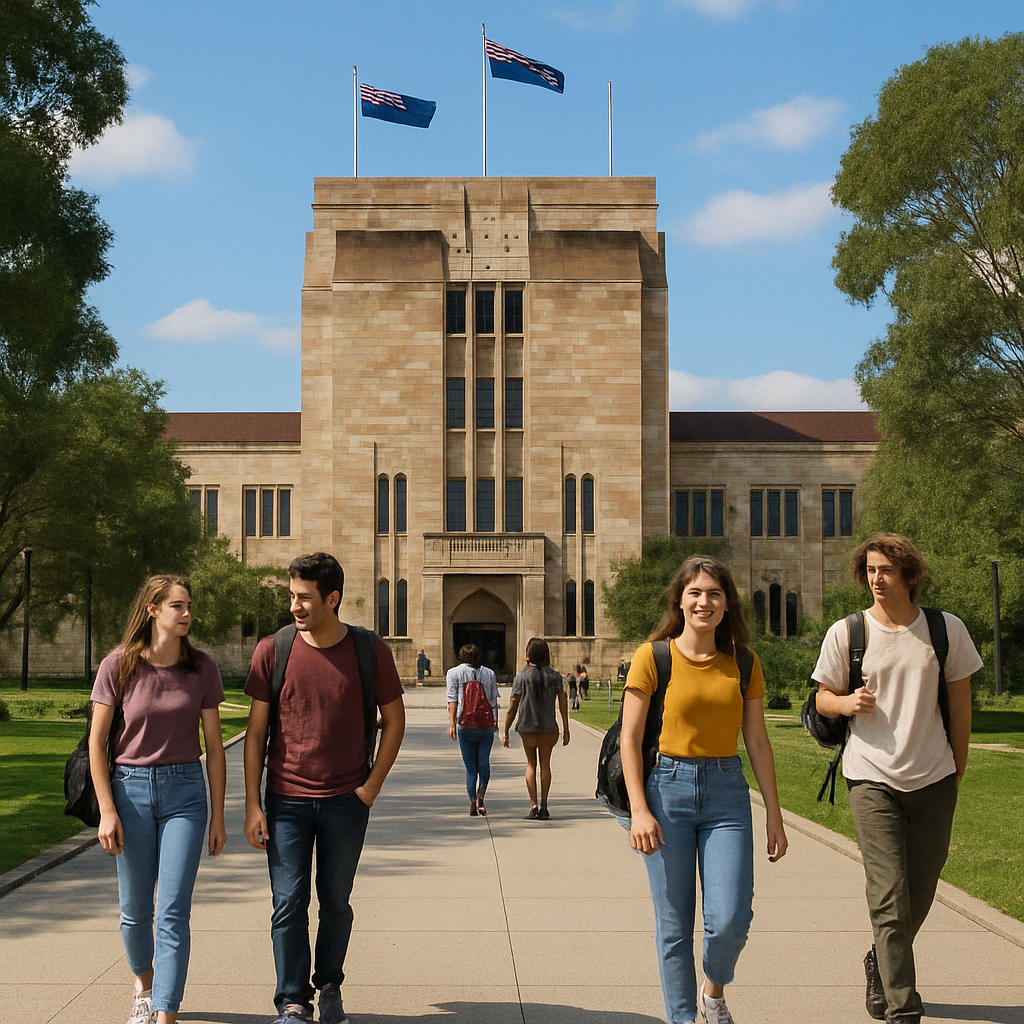
Living on campus fosters a strong sense of community and belonging. Students can easily engage in social events and make lifelong friends.
Cromwell College, one of UQ’s residential colleges, is known for its supportive environment and academic focus. It offers a vibrant community with various extracurricular activities.
Choosing on-campus accommodation at UQ can enhance your university experience. It provides a balance between academic focus and social engagement, making it an ideal choice for many students.
UQ Accommodation Cost Calculator
| Expense | Weekly cost |
|---|---|
| Accommodation | $0 |
| Food | $0 |
| Transport | $0 |
| Utilities | $0 |
| Phone & internet | $0 |
| Laundry | $0 |
| Personal expenses | $0 |
| Other | $0 |
| Total | $0 |

Living on Campus: The UQ Student Experience
Living on campus at the University of Queensland means choosing between 10 residential colleges ($509–$777 per week, fully catered) or independent UQ Residences like Kev Carmody House (from $414 per week). Both options put you minutes from class, plugged into 135+ clubs and societies, and part of a built-in community—handy if you’re moving to Brisbane from interstate or overseas.
So, you’ve got a offer from UQ sitting in your inbox, and now you’re staring down the big question: where on earth are you going to live? It’s a fair thing to stress about. For a lot of students, this is the first time they’ve packed up and moved away from home, and the thought of choosing the wrong place can feel bigger than picking a degree.
Here’s the good news. UQ’s St Lucia campus has been housing students for over a century, so there’s a pretty well-oiled system in place. Whether you’re after the full college experience with meals cooked for you and a built-in social calendar, or you’d rather have your own space with a bit more independence, there’s an option that fits.
This guide walks through what daily life actually looks like on campus, how the social side works, what you’ll pay, and a few things about Brisbane itself that might not show up in the glossy brochures. We’ll throw in some fictional examples along the way too, just to make the trickier bits easier to picture.
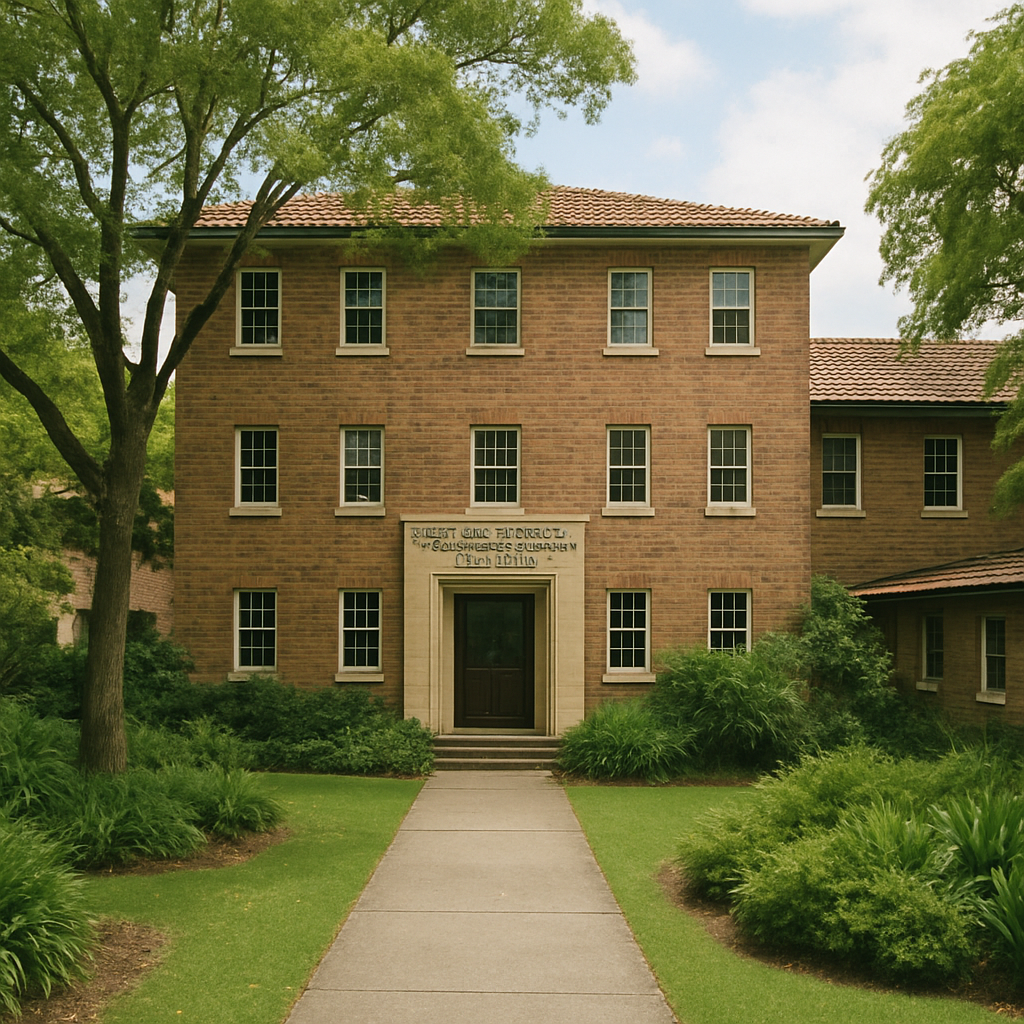
What does a typical day look like living on campus at UQ?
Ask any student living on campus and they’ll tell you the same thing: the best part is how little time you waste getting to class. Most residential colleges sit within a short walk of UQ’s lecture theatres and labs, and St Leo’s College, for example, is just 100 metres from the main academic precinct.
A typical weekday might start with breakfast in the dining hall if you’re at a catered college like Cromwell or Emmanuel, both of which include meals and laundry in the weekly fee. From there, it’s a quick walk to lectures, maybe a stop at the Central Library to print notes or grab a quiet study spot, then back for lunch or a gym session at the UQ Sport Fitness Centre.
Evenings are where things open up a bit. Lots of colleges run free tutorial programs, so if you’re stuck on an assignment, there’s often a tutor on hand that evening. Need a breather? The Great Court—UQ’s sandstone centrepiece—is a popular spot to sit with a coffee and watch the world go by.
If you’re in one of the newer UQ Residences, like Kev Carmody House, your day looks a little different. You’ve got your own ensuite room, a communal kitchen to cook in, and a rooftop pool deck for when study gets too much. It’s less “college tradition,” more “share house with better facilities.”
One thing nearly every student mentions? Coffee. Brisbane runs on it, and you’ll likely find yourself grabbing a flat white most mornings, whether you’re a coffee person back home or not.
What’s the social scene like at UQ residential colleges?
This is where UQ’s on-campus living really sets itself apart. Each of the 10 residential colleges has its own personality, and most run a packed calendar of sporting, cultural, and social events, both within the college and against other colleges.
International House, for instance, brings together 240 students from more than 30 countries, so you’re guaranteed to meet people from backgrounds wildly different from your own. One French exchange student, Emma, described it as “a small university inside a university”—a phrase that sums up the college system pretty well. She also picked up a daily coffee habit and started saying “mate” and “cheers” within weeks of arriving, which, let’s be honest, happens to almost everyone.
Beyond the colleges, UQ Union runs more than 135 clubs and societies, covering everything from debating and rowing to anime and politics. Expect theatre nights, market days, live music, and the occasional car rally thrown into the mix.
If you’d rather skip the college social calendar altogether, that’s fine too. UQ Residences still run a Student Life program with events and support, just with a bit less tradition and a bit more “take it or leave it” flexibility.
What are the practicalities of living on campus at UQ—costs, options, and rules?
Right, let’s talk numbers, because this is usually the part that matters most to parents footing the bill.
UQ’s 10 residential colleges (all include meals unless stated):
- International House: from $509/week
- Grace College: from $607/week
- King’s College: from $609/week
- St John’s College: full board, $625/week
- St Leo’s College: from $643/week (men’s college)
- Duchesne College: full board, $666/week (women’s college)
- Cromwell College: full board, $668/week
- Union College: full board, $650/week
- Emmanuel College: full board, $720/week (includes meals and laundry)
- The Women’s College: full board, $777/week
UQ Residences (independent-style living, no meals included):
- Kev Carmody House: from $414/week
- 48 Walcott Street (shared two-bedroom apartments): from $439/week
- Halls of Residence, Gatton campus: from $401/week (catered)
- Margaret Valadian Place: opening Semester 2, 2027, adding 1,020 new beds
Choose a college if you want meals sorted, a tight-knit community, and structured academic support baked into your weekly fee. Choose UQ Residences if you’d rather cook your own meals, have more independence, and don’t mind trading some of that built-in college tradition for flexibility.
Every college runs its own application process with separate deadlines, so don’t assume they line up with UQ’s general enrolment dates. Check each college’s website directly, because missing a closing date can mean missing out on your first pick entirely.
Scholarships are available for both colleges and UQ Residences, so it’s worth checking what you might be eligible for before ruling anything out on price alone.
What’s it like living near UQ’s St Lucia campus in Brisbane?
Brisbane—or Meanjin, its traditional name—is one of Australia’s fastest-growing capital cities, known for warm weather pretty much year-round and a relaxed, outdoorsy vibe.
The St Lucia campus sits along the Brisbane River, and plenty of students catch the CityCat ferry into the city rather than dealing with traffic. From campus, you’re a short trip from Southbank’s parklands and pools, the bars and live music venues of Fortitude Valley, and the galleries at QAGOMA.
Need a proper day off? The Gold Coast and its beaches are just over an hour by train, and Lone Pine Koala Sanctuary is a popular spot for visiting family keen to see some actual koalas. If you’re after a bigger adventure, Byron Bay across the New South Wales border makes for a solid weekend trip.
Students at UQ’s Gatton campus get a different flavour altogether. It’s about an hour west of Brisbane, set on more than 1,000 hectares of farmland, and suits anyone after a quieter, regional pace alongside their studies.
What would moving into a UQ college actually feel like? (A fictional example)
To tie all this together, here’s a fictional scenario—not a real student, just an example to make the practical side easier to picture.
Imagine a student named Priya, moving from Perth to start a science degree at UQ. She’s applied to Grace College because it’s one of the more affordable options and has a reputation for being welcoming to students arriving solo, without mates already at UQ.
On move-in day, Priya arrives a bit early, as the college suggested. A current resident, assigned as her buddy for the week, helps carry her bags up and shows her where the communal kitchen and laundry are. She props her door open while unpacking, and within twenty minutes, three neighbours have popped by to say hello.
By week two, Priya’s joined the college’s social sports team and signed up for a photography club through UQ Union. She’s also found the free tutoring sessions genuinely useful for a stats subject she was dreading. It’s not all smooth sailing. Sharing a bathroom took some getting used to, and the first few weeks away from her family hit harder than she expected. But by the end of semester one, she’s calling Grace “home” without really thinking about it.
This kind of adjustment period is common, whether you’re arriving from interstate, overseas, or just across town.
Is on-campus living at UQ worth it?
Here’s the honest take: there’s no single right answer. It depends on what you want out of your uni years.
Choose a residential college if you want meals sorted, academic support built in, and a ready-made social circle from day one. Choose UQ Residences if independence matters more to you than tradition, and you don’t mind cooking your own dinner. Choose off-campus housing if you’ve already got a solid group of mates to move in with, or you need something cheaper long-term.
Whatever you land on, the practical next step is the same: check each option’s website directly, note down application deadlines (they’re not all the same), and if cost is a worry, dig into the scholarships on offer before you write anything off.
Moving away from home is a big call, however you slice it. But with 10 colleges, a handful of independent residences, and a city as liveable as Brisbane surrounding it all, UQ has made that decision easier than it might first appear.
Frequently asked questions
How much does it cost to live on campus at UQ?
Weekly fees range from $509 to $777 at UQ’s 10 residential colleges, with meals included. UQ Residences, like Kev Carmody House, start from $414 per week but don’t include meals.
What’s the difference between a UQ residential college and UQ Residences?
Residential colleges are fully catered and built around a structured community, with academic support and organised events included in the fee. UQ Residences offer more independent living, with students cooking their own meals in shared kitchens.
Do I need to apply separately to each UQ college?
Yes. Each college runs its own application process with its own deadlines, separate from UQ’s general enrolment dates. Check each college’s website directly to avoid missing a cut-off.
Is Brisbane a good city for university students?
Brisbane offers warm weather most of the year, a river-side campus, and easy access to Southbank, Fortitude Valley, and the Gold Coast. Many students get around by CityCat ferry or bus rather than driving.
What if I can’t afford a residential college?
Scholarships are available for both colleges and UQ Residences. It’s worth checking your eligibility before deciding an option is out of reach based on price alone.



Leave a Reply