
Understanding Specialist Disability Accommodation Options
Let me save you some confusion right from the start, because it’s the thing almost everyone gets wrong. Specialist Disability Accommodation is the house. It isn’t the carers, it isn’t the daily help, it isn’t the person who comes in to assist with showering or meals. It’s the bricks and mortar — a home built or modified for someone whose needs an ordinary place just can’t meet.
I spell that out early because I’ve watched families spend weeks chasing SDA, convinced it would cover the support their son or daughter needs, only to discover that’s a completely separate pot of funding. The disappointment in that moment is rough. So if you take one thing from this, take that. SDA pays for the dwelling. The help that happens inside it comes from somewhere else.
With that cleared up, let’s talk about what SDA actually is, who it’s for, and what to think about if you reckon it might apply to you or someone you love.
[everhomes_sda_checker]
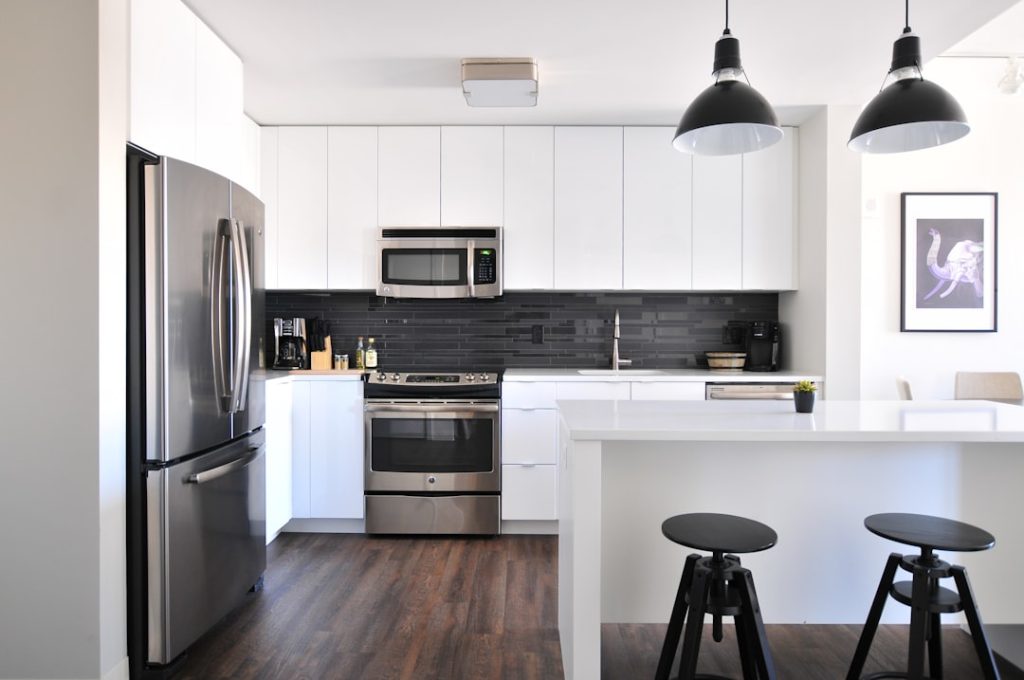
The housing itself, not the help
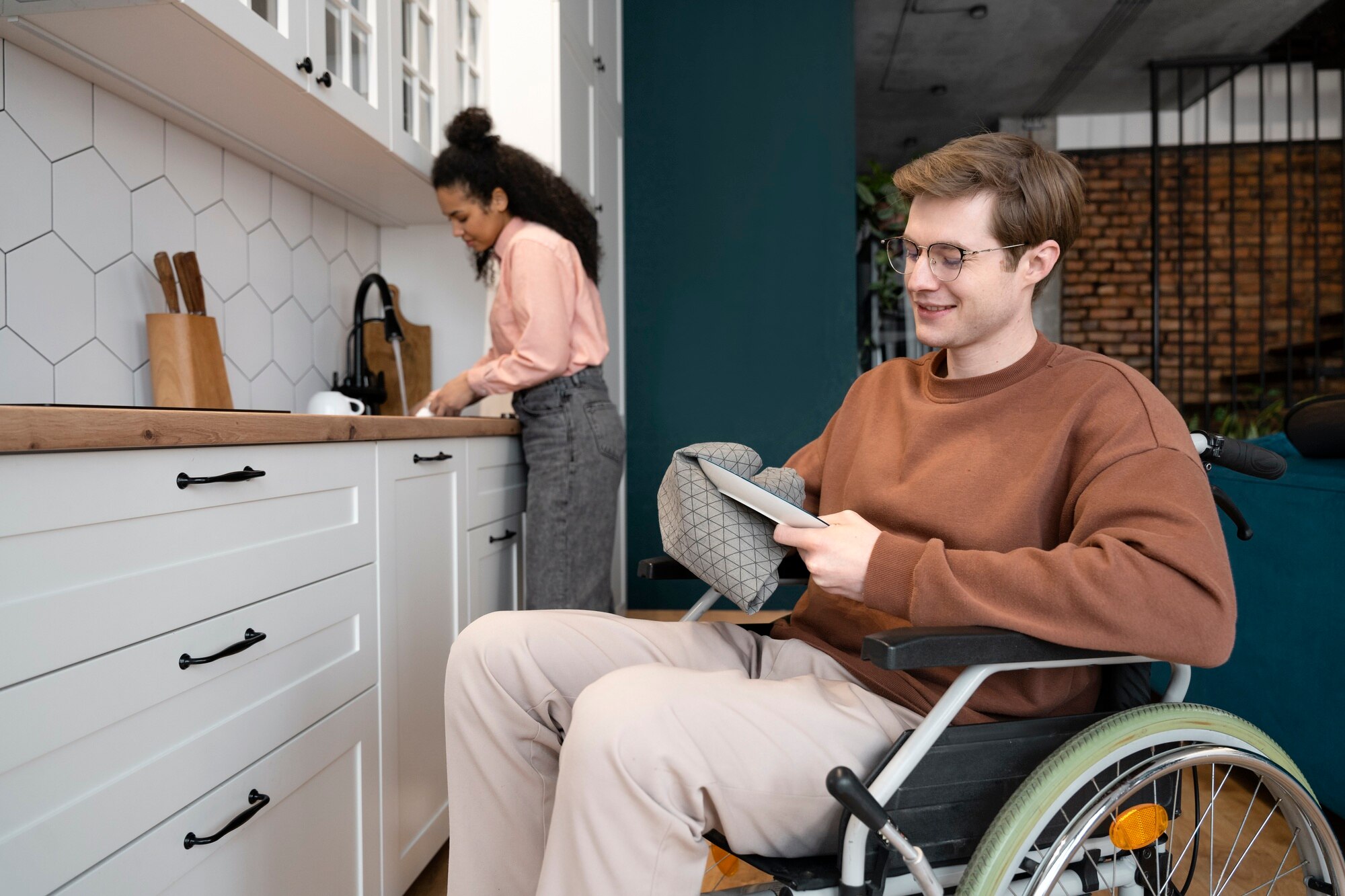
SDA homes are designed with specific needs front and centre. We’re talking wider doorways so a wheelchair fits through without a fight, reinforced walls that can take a ceiling hoist, backup power for people who rely on equipment, bathrooms you can actually use, and layouts that make sense for someone who needs hands-on assistance to get through the day.
The funding covers those specialised features — the cost of building or modifying a home to this standard. It does not stretch to the people supporting you. That’s where the next acronym comes in, and it’s the one people muddle with SDA constantly.
SDA vs ordinary housing
| Consideration | SDA | Mainstream housing |
|---|---|---|
| Primary purpose | Designed for people with very high disability-related housing needs | General housing |
| Specialist design | Yes | Not necessarily |
| Accessibility | Built around specified accessibility requirements | Varies considerably |
| SDA design categories | Yes | No |
| NDIS SDA funding | May be included for eligible participants | Generally not |
| Support integration | Designed to enable other supports to work effectively | Depends on the property |
| Provider requirements | SDA provider and dwelling requirements apply | Standard rental/ownership arrangements |
| Participant rent | Participant contributes rent and living costs | Tenant/owner pays normal housing costs |
| Assistive technology | May be supported separately where eligible | Not part of the housing itself |
| SIL | Separate from SDA | Separate from housing |
SDA and SIL are not the same thing
Supported Independent Living, or SIL, is the support delivered inside a home. Help with cooking, medication, getting dressed, moving around the house — that’s SIL. The people, in other words.
Here’s the way I explain it to families when they’re sitting across from me looking lost: SDA is the stage, SIL is the cast. One is where you live. The other is the help you receive while living there. You can be funded for one without the other, though plenty of people with high needs end up with both. Getting this distinction straight early will spare you a world of frustration later, because the two are assessed differently, funded differently, and arranged through different channels entirely.
| SDA | SIL |
|---|---|
| Specialist disability accommodation | Supported Independent Living |
| Relates primarily to the housing | Relates to support provided to help someone live independently |
| Pays the SDA provider | Pays for eligible support services |
| Includes specialist housing features | Includes assistance with daily living where funded |
| Separate from personal care | Can include support with daily living activities |
| Can exist alongside SIL | Can be provided to someone living in SDA |
| Participant still pays rent and day-to-day costs | Support funding is separate from rent |
Why SDA exists at all
For a long stretch, people with significant disability didn’t have much choice about where they lived. The options were tired old group homes, aged care facilities that suited nobody under eighty, or living situations that quietly failed to meet real needs. SDA was built to change that.
The whole point is a home that works with a person’s disability instead of against it. A well-designed SDA property can genuinely cut down the amount of hands-on support someone needs day to day. It lowers risk, it makes ordinary life smoother, and — this part matters more than the brochures admit — it gives people a real say in where and how they live. That’s not a small thing when you’ve spent years being told what’s available rather than what you’d actually choose.
Who it’s actually for
Now for the honest part. SDA was never meant for everyone on the NDIS, and it isn’t funded that way.
It’s reserved for a relatively small group of participants — people with an extreme functional impairment or very high support needs. In plain terms, that means someone who needs serious home modifications or specialised design just to live safely and with some independence. Being an NDIS participant doesn’t get you SDA. Having a disability doesn’t get you SDA. Meeting a fairly strict bar does.
And proving you meet that bar takes evidence. Expect occupational therapy reports, functional assessments, and documentation that shows why a standard or lightly modified home simply won’t do the job. This is slow work. It usually pulls in several professionals, and it rarely happens in a single tidy step. None of that is an accident — the funding is deliberately held back for people whose needs genuinely require it. Frustrating when you’re in the thick of it, but that’s the design.
If you’re starting this process, line up a good occupational therapist early and get a support coordinator who’s done it before. The difference between a strong evidence package and a weak one is often the difference between approval and a knockback.
The four design categories
Not all SDA homes are built the same. They fall into four design categories, each shaped around a different reality.
Improved Liveability is for people with sensory, intellectual, or cognitive disability. The design leans on things like better lighting, clearer sight lines, good contrast, and layouts that are easier to read and move through. It’s subtle stuff, but it makes a home far less confusing to live in.
Fully Accessible does what the name says. These are built for people with significant physical impairment — step-free throughout, generous turning space, bathrooms designed for wheelchair users, the lot. The aim is a home someone can actually move around in on their own terms.
Robust housing is built tough. It’s for people who need a very durable, secure environment, including those whose behaviour might lead to damage or safety risks. Think reinforced materials and a design that holds up to heavy wear while keeping everyone — resident and others — safer.
High Physical Support is the top end, for people with the most complex physical needs. Ceiling hoists, backup power, structural strength to carry specialised equipment, room for intensive assistance. If someone needs a lot of help and a lot of gear to get through the day, this is the category built for it.
Which one fits comes down entirely to the person — their body, their needs, how they want to live. There’s no “better” category, just the right one for the individual.
Choosing a property is harder than it looks
This is where I see good decisions go sideways. A home can tick every design box on paper and still be wrong in real life.
Location is the big one people underweight. A beautifully built, perfectly accessible home means very little if it’s an hour from family, miles from the hospital, and nowhere near decent transport. Isolation is its own kind of harm, and the fanciest fit-out won’t fix it. Before you fall in love with a floorplan, look at what’s around it.
Then there’s how support will actually be delivered in that home. Remember, SDA is the building — so you need to know the right providers can work there, that the hours stack up, and that the support model makes sense for the place. A home that no good provider wants to service becomes a problem fast.
You also want a property that fits now and has some give in it for later. Needs change. Kids grow, conditions progress, circumstances shift. A home that’s spot-on today but can’t adapt might mean another move in a few years, and moving is exhausting for everyone involved. Ask whether the place can flex before you commit to it.
And if it’s a shared setting — which many SDA homes are — the people matter as much as the building. I can’t overstate this. The right housemates can make a home warm and settled. The wrong mix can turn daily life into a slow grind of friction, mismatched routines, and tension nobody signed up for. Personalities, support needs, sleep patterns, the way people rub along — it all shapes whether a house feels like home or just a place to sleep. Don’t rush this part, and don’t let anyone pressure you into a vacancy just because it’s open.
A few things worth knowing before you dive in
If you applied and didn’t qualify, you’re in large company, and it doesn’t mean you’re out of options. Home modifications, SIL, or other supports might suit the situation better, and a sharp support coordinator can help you map out what’s left on the table.
If the process feels overwhelming — the assessments, the reports, the waiting — that’s because it often is. Lean on the people who know the system. An experienced OT or support coordinator can carry a surprising amount of that weight for you.
And if you’re agonising over whether a particular home is the right one, the answer is usually the same: visit if you can, ask more questions than feel polite, trust your read on the place, and refuse to be hurried. You know the person who’ll be living there better than any glossy listing does.
Where that leaves you
SDA, stripped of the jargon, is just housing built to fit people whose needs an ordinary home can’t handle. It’s the dwelling, not the support — the distinction that clears up more confusion than anything else once it lands. It’s funded for a smaller group with very high or complex needs, it depends on solid evidence rather than a rubber stamp, and it comes in four design categories built around genuinely different lives.
You don’t have to understand every corner of it at once. Get the basics straight first, work out whether SDA might even apply, and find the right people to help you gather what you need. Take the rest one decision at a time — eligibility, then design category, then the home itself, with location, housemates, and the long view all weighed up properly. The system is heavy, no question. But the thing it’s reaching for is a good one: the right home, suited to the right person, so life simply works a little more smoothly. That’s worth the effort it takes to get it right.



Leave a Reply